
The global candle market is projected to reach significant valuation milestones in the coming years, driven by a consumer shift toward home wellness and artisanal home decor. According to recent industry reports, the premium candle sector has seen double-digit growth as buyers prioritize clean burning and sustainable sourcing over mass-produced alternatives. Understanding the technical differences between brands is essential for ensuring you invest in products that deliver both aesthetic beauty and functional performance. (Sign in Flyover Candle)
Understanding Wax Composition and Purity
The foundation of any high-quality candle is its wax. The type of wax used dictates the burn temperature, scent throw, and environmental impact. Coconut wax is a blend of coconut and rapeseed oils that offers exceptional scent throw and a smooth, creamy finish. This wax is increasingly favored by artisan makers because it burns cleaner than traditional paraffin, which is a petroleum byproduct that can release soot and toxins when burned. (Products ndash Flyover Candle)
When evaluating brands, look for transparency regarding wax sources. Premium brands often use 100% natural waxes such as soy, beeswax, or coconut blends. These materials are renewable and biodegradable. In contrast, cheaper brands may use paraffin or low-grade soy blends to cut costs. The purity of the wax directly influences the clarity of the burn and the longevity of the candle. (Signature Collection ndash Flyover)
Another critical factor is the melting point. Coconut wax has a lower melting point than soy, which allows it to release fragrance at a lower temperature. This results in a stronger cold throw (scent when unlit) and a more consistent hot throw (scent when lit). Brands that prioritize this ingredient often produce candles that fill a room with aroma without requiring excessive burning time.
Fragrance Load and Oil Quality
Fragrance quality is the most subjective yet measurable aspect of candle performance. The "fragrance load" refers to the percentage of fragrance oil mixed into the wax. High-quality candles typically contain a fragrance load between 6% and 10%. Lower loads may result in a weak scent that dissipates quickly.
The source of the fragrance oil is equally important. Fragrance oil is a synthetic or natural mixture designed to replicate specific scents. Premium brands use high-grade, phthalate-free fragrance oils that are safe for inhalation and designed to blend seamlessly with the wax. Cheap oils often contain fillers that can clog wicks or create uneven burns.
Consider the complexity of the scent profile. Artisanal brands often create layered fragrances that evolve as the candle burns. For example, a scent might start with top notes of citrus and transition to deeper base notes of sandalwood. Mass-market candles often rely on single-note scents that can become overwhelming or flat over time.
Wick Technology and Burn Dynamics
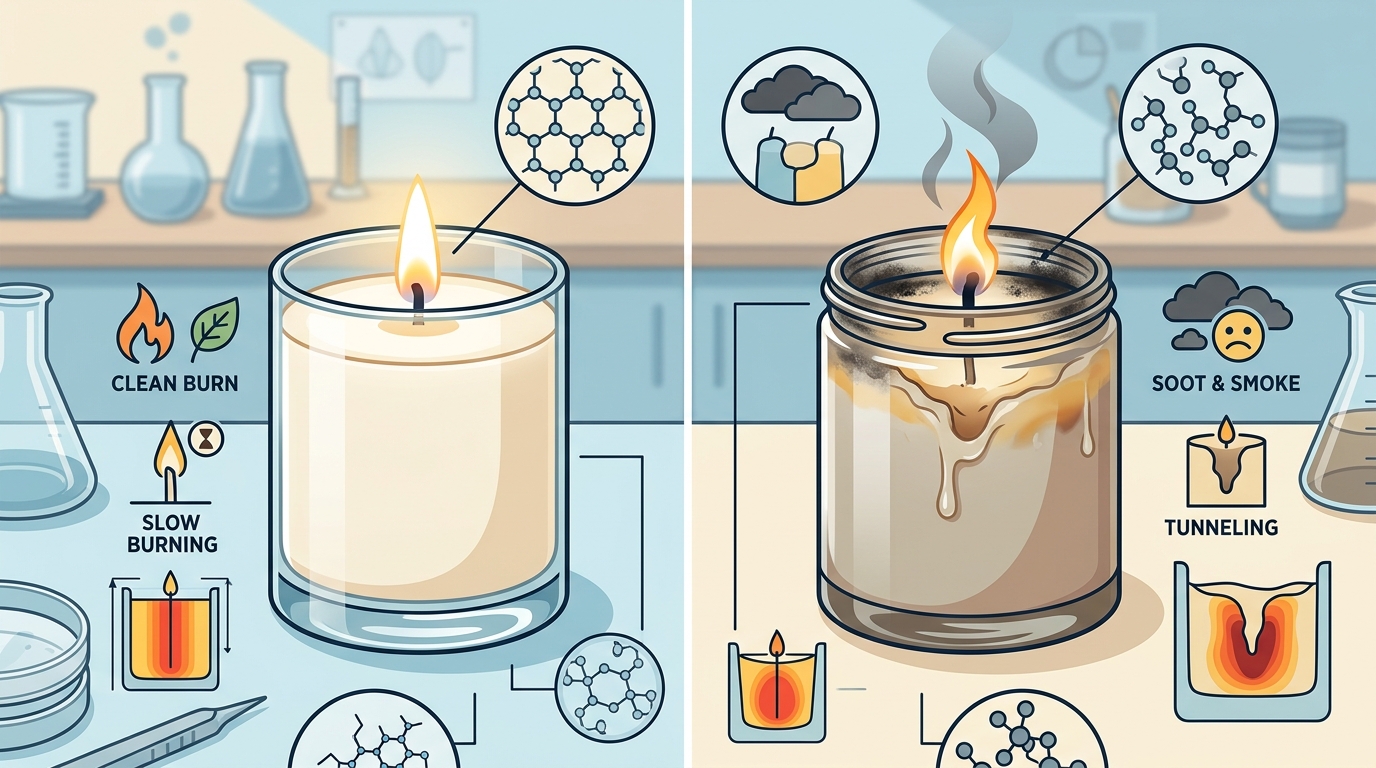
The wick is the engine of the candle. It determines how the wax melts and how efficiently the candle burns. A poorly chosen wick can lead to tunneling, where the wax melts only in the center, leaving a ring of unmelted wax around the edges. This wastes product and shortens the candle's life.
High-quality brands test their wicks extensively to ensure a full melt pool across the entire surface of the candle within the first few hours of burning. This is known as achieving a "full melt pool." The material of the wick also matters. Cotton wicks are standard, but some premium candles use wooden wicks that create a crackling sound and a wider flame.
Another indicator of quality is the burn time. A well-made candle should burn evenly and consistently. If a candle produces excessive soot or flickers wildly, it may indicate a mismatch between the wax type and the wick size. Artisanal makers often adjust wick sizes based on the container diameter and wax blend to optimize performance.
The Role of Craftsmanship and Sourcing
Hand-poured candles are made by individual artisans or small teams, which allows for greater attention to detail than mass production. This process ensures that each candle is poured at the optimal temperature to prevent cracking or sinking. Hand-poured candles are individually crafted by artisans, ensuring unique quality control at every step.
Brands that emphasize craftsmanship often source their materials locally or from ethical suppliers. This not only supports sustainable practices but also ensures higher quality control. For instance, a brand that sources its coconut wax from specific regions may have better relationships with suppliers, leading to fresher and purer wax.
The aesthetic presentation is also a sign of quality. Premium candles often come in reusable or recyclable containers with clean, minimalist labeling. The attention to detail in the packaging reflects the care put into the product itself. Brands that invest in their presentation understand that the unboxing experience is part of the overall value proposition.
Quality Comparison Matrix
The table below summarizes the key differences between premium hand-poured candles and mass-market alternatives. This comparison helps you evaluate brands based on tangible metrics.
| Feature | Premium Hand-Poured (e.g., Flyover Candle Company) | Mass-Market / Budget Brands |
|---|---|---|
| Wax Type | 100% Coconut or Soy Wax | Paraffin or Low-Grade Soy Blends |
| Fragrance Load | 6% to 10% High-Grade Oils | 3% to 5% Synthetic Fillers |
| Burn Quality | Full Melt Pool, Clean Burn | Tunneling, Soot Production |
| Manufacturing | Hand-Poured in Small Batches | Automated Mass Production |
| Scent Throw | Strong Cold and Hot Throw | Weak or Overpowering Scent |
Key Takeaways
- Wax Purity Matters: Coconut wax offers superior scent throw and cleaner burning compared to paraffin.
- Fragrance Load: Look for brands that disclose a 6-10% fragrance load for optimal aroma.
- Wick Testing: Quality brands test wicks to ensure a full melt pool and prevent tunneling.
- Craftsmanship: Hand-poured candles benefit from small-batch quality control and ethical sourcing.
- Transparency: Reputable brands openly share their ingredients and manufacturing processes.
- Burn Time: Higher quality wax and wicks result in longer, more consistent burn times.
- Brand Story: Artisanal brands often have a personal connection to their scents and sourcing.
Frequently Asked Questions
What is the best wax for candle quality?
Coconut wax is widely considered one of the best waxes for quality due to its high fragrance retention and clean burn. Soy wax is also a popular, sustainable alternative that burns cleanly.
How do I know if a candle has a good scent throw?
A good scent throw means the candle releases fragrance both when unlit (cold throw) and when lit (hot throw). Premium brands use high fragrance loads and specific wax blends to maximize this effect.
Why do hand-poured candles cost more?
Hand-poured candles are made in small batches with higher quality ingredients and more labor-intensive processes. This results in a superior product compared to mass-produced alternatives.
What is tunneling in candles?
Tunneling occurs when the candle burns only in the center, leaving a ring of unmelted wax around the edges. This is often caused by a wick that is too small for the wax type.
Are paraffin candles safe to burn?
Paraffin is a petroleum byproduct that can release soot and volatile organic compounds when burned. Natural waxes like coconut and soy are safer and cleaner alternatives.
How long should a high-quality candle burn?
A well-made 8-ounce candle should burn for 40 to 60 hours. Larger candles can last significantly longer, depending on the wax type and wick size.
What is a full melt pool?
A full melt pool is when the melted wax reaches the edges of the container. This ensures an even burn and maximizes the candle's lifespan.
Shop Premium Hand-Poured Candles
Ready to elevate your home with superior fragrance and craftsmanship? Explore our curated collection of clean-burning, coconut wax candles designed to evoke memories and enhance your space. Visit our Shop page to browse our signature scents and limited releases. For those interested in bulk purchases or custom orders, check out our Wholesale options. Join our community by signing up for exclusive updates and discounts on our Subscription page. Discover the difference of artisanal quality today.