The global home fragrance market is undergoing a significant shift as consumers prioritize environmental impact alongside aesthetic appeal. Traditional paraffin wax candles, derived from petroleum, release toxic compounds such as toluene and benzene when burned, contributing to indoor air pollution. According to the Environmental Protection Agency, indoor air can be two to five times more polluted than outdoor air, making the choice of fuel source critical for household health. This guide explores the most effective eco-friendly alternatives to traditional wax candles, analyzing material sustainability, burn performance, and scent throw to help you make an informed decision.
Understanding Wax Types and Sustainability
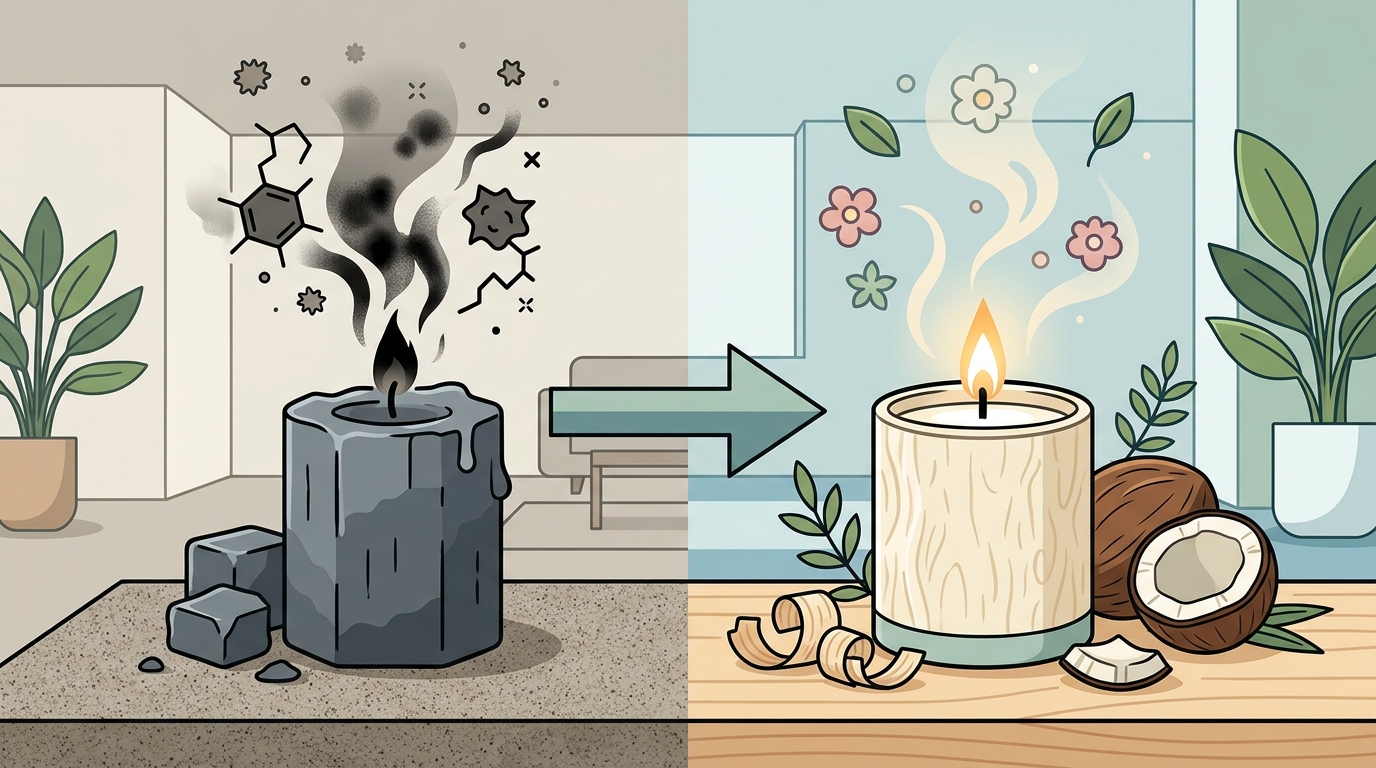
To identify the best alternatives, we must first understand what makes traditional candles problematic. Paraffin wax is a byproduct of crude oil refining. When burned, it can emit soot and volatile organic compounds (VOCs) that settle on furniture and enter the respiratory system. In contrast, plant-based waxes offer a renewable resource that burns cleaner and cooler.
Coconut wax is a sustainable fuel source derived from the meat of coconuts, offering a high scent throw and clean burn profile. This wax has gained popularity among artisan candle makers for its ability to hold complex fragrance blends without compromising air quality. Unlike paraffin, coconut wax is biodegradable and does not rely on fossil fuel extraction.
Another major player in the sustainable wax market is soy wax. Soy wax is a natural wax made from the oil of soybeans, providing a renewable and locally sourced alternative to petroleum-based products. It burns approximately 50% longer than paraffin candles of the same size, reducing the frequency of replacement and overall waste. However, the sustainability of soy wax depends heavily on farming practices, with some concerns regarding monoculture farming and pesticide use.
Soy and Coconut Wax Alternatives
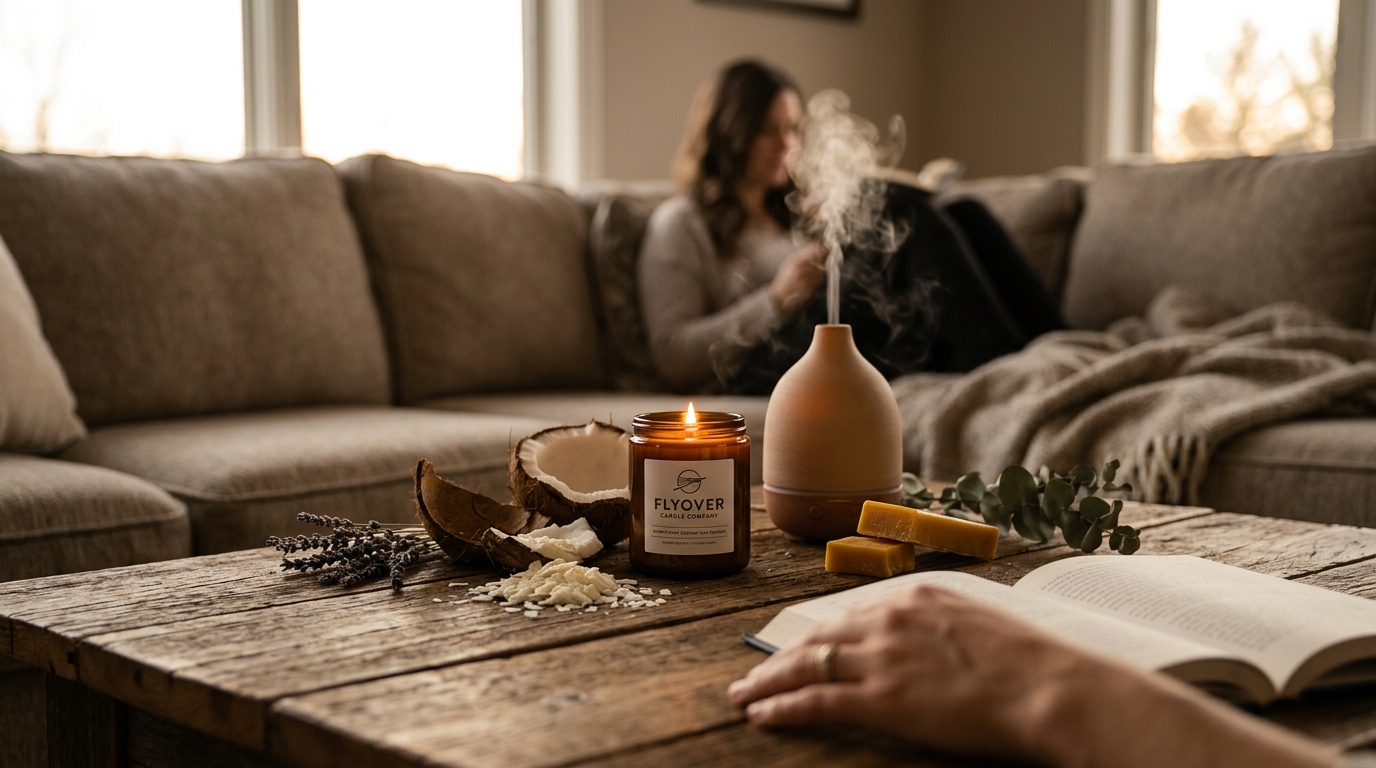
For those who still prefer the ambiance of a flame but want to eliminate toxins, switching to high-quality plant waxes is the most direct alternative. Brands like Flyover Candle Company specialize in coconut wax blends, focusing on clean burning and Midwest-inspired scents that evoke nostalgia without the environmental guilt.
The Coconut Wax Advantage
Coconut wax is often considered the gold standard for eco-conscious candle lovers. It is produced through a cold-pressing process that retains the natural nutrients of the coconut. This wax has a lower melting point than soy or paraffin, which means it releases fragrance at a slower, more consistent rate. This characteristic allows for a more immersive scent experience in smaller rooms.
Furthermore, coconut wax is fully biodegradable. If you choose a candle with a cotton wick and a glass or ceramic vessel, the entire product can be composted or recycled after use. This contrasts sharply with paraffin candles, which leave behind black soot that requires chemical cleaners to remove from vessels.
Soy Wax Considerations
Soy wax remains a popular choice due to its affordability and widespread availability. However, consumers should look for non-GMO certified soy to ensure their purchase supports sustainable agriculture. The burn time of soy candles is exceptional, making them a cost-effective option for daily use. When paired with a lead-free wick, soy candles provide a safe and aromatic environment for any home.
Non-Wax Fragrance Options
For individuals seeking to eliminate wax entirely, several innovative non-wax alternatives exist. These options often provide superior safety profiles and can be used in environments where open flames are prohibited.
Reed Diffusers
Reed diffusers offer a continuous, flameless method of scenting a room. They typically use a carrier oil, such as dipropylene glycol or isopropyl myristate, mixed with fragrance oils. While some traditional diffusers use synthetic carriers, eco-friendly brands are increasingly switching to natural alcohol or plant-based oils. These devices require no maintenance other than flipping the reeds every few weeks to refresh the scent throw.
Electric and Ultrasonic Diffusers
Ultrasonic diffusers use water and essential oils to create a fine mist. This method not only scents the air but also adds humidity to dry environments. Essential oils are natural extracts from plants, making them a truly organic alternative to synthetic fragrance oils. However, the cost of high-quality essential oils can be significantly higher than traditional candle fragrances.
Scented Potpourri and Sachets
For a zero-energy option, dried botanicals and potpourri provide a subtle, natural fragrance. These can be made from lavender, cedar, and citrus peels, offering a completely non-toxic way to freshen drawers, closets, and small spaces. While they lack the intensity of a candle, they are perfect for those with severe chemical sensitivities.
Comparison of Eco-Friendly Options
The following table summarizes the key characteristics of the primary eco-friendly alternatives to traditional paraffin candles.
| Option | Sustainability | Scent Throw | Burn Time / Longevity | Best Use Case |
|---|---|---|---|---|
| Coconut Wax Candles | High (Biodegradable) | Excellent | Long (40-60 hours) | Small to medium rooms |
| Soy Wax Candles | High (Renewable) | Good | Very Long (50-80 hours) | Daily ambient lighting |
| Reed Diffusers | Medium (Depends on oil) | Moderate | 3-6 months | Continuous scenting |
| Ultrasonic Diffusers | High (Essential Oils) | Variable | Continuous | Aromatherapy & humidity |
Key Takeaways
- Paraffin candles release soot and VOCs, whereas plant-based waxes like coconut and soy burn cleanly.
- Coconut wax offers a superior scent throw and is fully biodegradable, making it a top eco-friendly choice.
- Soy wax is a renewable resource that burns significantly longer than traditional paraffin candles.
- Non-wax options like reed diffusers and ultrasonic diffusers provide flameless alternatives for safety-conscious households.
- Choosing candles with cotton wicks and glass vessels minimizes plastic waste and toxic exposure.
- Artisan brands often use smaller batch production, reducing industrial waste and supporting local economies.
- Essential oil diffusers offer the most natural fragrance profile but come at a higher price point.
Frequently Asked Questions
Are coconut wax candles better for you than paraffin?
Yes, coconut wax candles are generally considered better for your health because they burn cleaner and produce less soot than paraffin candles, which are derived from petroleum.
How long do eco-friendly candles last?
High-quality coconut and soy wax candles typically last between 40 and 80 hours, depending on the size of the vessel and the thickness of the wick.
Can I recycle candle jars after use?
Yes, if you remove the remaining wax and the wick, most glass candle jars are fully recyclable. Some brands also offer refill programs to reduce waste.
What is the cleanest burning candle wax?
Coconut wax and beeswax are often cited as the cleanest burning options. Coconut wax is vegan and biodegradable, while beeswax is a natural byproduct of beekeeping.
Do reed diffusers use toxic chemicals?
Many traditional reed diffusers use synthetic carriers, but eco-friendly brands are shifting toward natural alcohol or plant-based oils to ensure a non-toxic home environment.
How do I choose a sustainable candle brand?
Look for brands that disclose their wax source, use cotton or paper wicks, and offer recyclable or reusable packaging. Supporting local artisans often ensures higher ethical standards.
Are essential oil diffusers effective for large rooms?
Ultrasonic diffusers are effective for medium-sized rooms. For larger spaces, you may need multiple units or a commercial-grade HVAC-integrated fragrance system.
What are the best scents for eco-friendly candles?
Natural scents like lavender, cedar, citrus, and vanilla pair well with coconut wax. Artisan brands often create unique blends that evoke specific memories or seasons.
Shop Sustainable Fragrances
Transitioning to eco-friendly home fragrances does not mean sacrificing quality or aroma. By choosing plant-based waxes and sustainable alternatives, you protect your indoor air quality and support a healthier planet. Explore our curated collection of clean-burning coconut wax candles and discover scents that elevate your space responsibly.
Shop our full collection of sustainable candles here and find the perfect scent for your home.