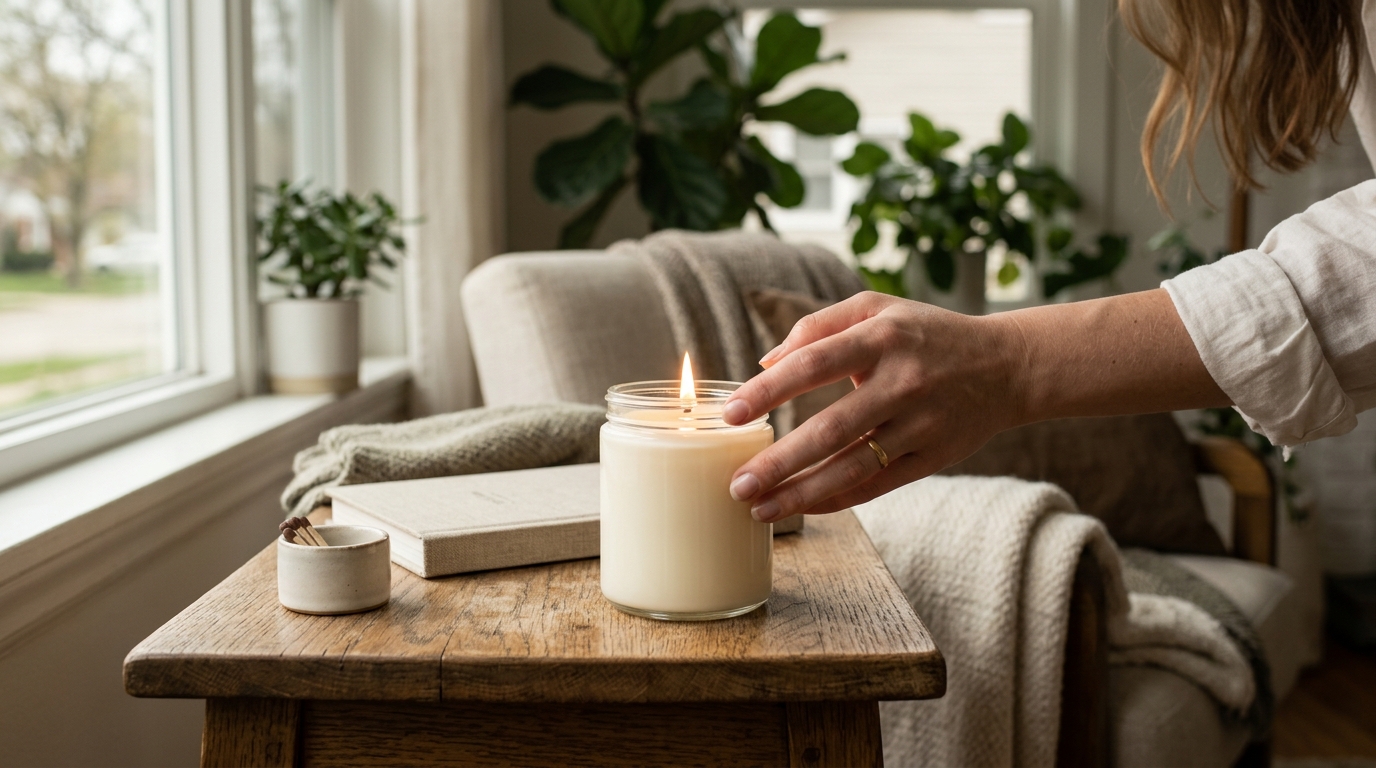
The global candle market is projected to reach significant valuation milestones in the coming years, driven by consumer demand for home fragrance and ambiance. However, traditional paraffin wax candles are derived from petroleum, releasing soot and volatile organic compounds (VOCs) into indoor air. According to recent environmental health studies, burning paraffin candles can release benzene and toluene, which are known carcinogens. This reality has pushed millions of consumers toward sustainable alternatives that provide warmth and scent without the toxic footprint. This guide explores the most effective eco-friendly lighting options available today.
Understanding Wax Types and Their Impact
The foundation of any candle determines its environmental footprint. Most conventional candles use paraffin wax, a byproduct of crude oil refining. When paraffin burns, it does not biodegrade easily and contributes to microplastic pollution. In contrast, plant-based waxes offer a renewable and cleaner burning alternative. Soy wax is made from hydrogenated soybean oil. It is a popular choice because it burns cleaner than paraffin and is biodegradable. Coconut wax is derived from the meat of mature coconuts. It has a low melting point, which allows for excellent fragrance throw while maintaining a clean burn profile.
Beeswax is another traditional option that has gained renewed interest. Beeswax is a natural wax produced by honey bees. It burns longer and brighter than other waxes, releasing negative ions that may help purify the air. However, beeswax is often more expensive due to the labor-intensive harvesting process. Palm wax is derived from the fruit of the oil palm tree. While it is renewable, unsustainable palm oil production has led to deforestation, so consumers must look for RSPO-certified palm wax to ensure ethical sourcing.
Essential Oils vs. Synthetic Fragrances
Fragrance is the primary driver of candle purchases, but the source of that scent matters immensely for health and the environment. Synthetic fragrances are often made from phthalates and other chemicals that can disrupt endocrine systems. These artificial scents are not regulated as strictly as food ingredients, leading to potential indoor air quality issues. Essential oils are concentrated hydrophobic liquids containing volatile aroma compounds from plants. They provide natural scent profiles without the toxic byproducts associated with synthetic dyes and perfumes.
Using essential oils also supports the agricultural supply chains for lavender, citrus, and eucalyptus. Brands that prioritize transparency will list the specific oils used in their blends. For example, Flyover Candle Company focuses on creating lush, nature-inspired scents using high-quality ingredients. Their Signature Collection demonstrates how natural ingredients can create complex and inviting aromas. Consumers should avoid candles that simply list "fragrance" on the label, as this is a catch-all term for undisclosed chemicals.
Wick Materials and Combustion Safety
The wick is the engine of the candle, and its material composition affects both burn quality and environmental impact. Traditional cotton wicks are often treated with chemicals like zinc or lead to help them stand upright and burn evenly. These heavy metals can be released into the air when burned, posing health risks. Modern eco-friendly wicks use untreated cotton, hemp, or wood. Hemp wicks are made from the fibers of the hemp plant. They are naturally rigid and do not require chemical stiffeners, making them a superior choice for clean burning.
Wood wicks have become increasingly popular for their aesthetic appeal. They create a gentle crackling sound reminiscent of a fireplace. Wood wicks are typically made from sustainably sourced birch or maple. They produce a wider flame, which can help melt the wax pool more evenly. However, users must ensure the wood is properly seasoned to prevent excessive smoking. The Shop All Candles page on Flyover Candle Company offers various options that utilize clean-burning wick technologies.
Alternative Lighting Technologies
For those seeking to eliminate combustion entirely, electric and wax-free alternatives offer compelling benefits. LED flameless candles are battery-operated devices that mimic the flicker of real fire. They produce no heat, smoke, or soot, making them safe for homes with pets and children. The technology behind modern LEDs has improved significantly, with many models now offering realistic color temperatures and dimming features. These candles are ideal for creating ambiance in areas where open flames are prohibited.
Reed diffusers are another popular zero-combustion option. A reed diffuser is a passive fragrance system that uses porous reeds to draw scented oil up from a container. They require no flame, no electricity, and no maintenance beyond flipping the reeds periodically. Diffusers are excellent for continuous scenting in bathrooms, hallways, or offices. For those who prefer a more active fragrance experience, Summer 2026 collections often include complementary home accessories that align with seasonal themes.
Comparison of Sustainable Options
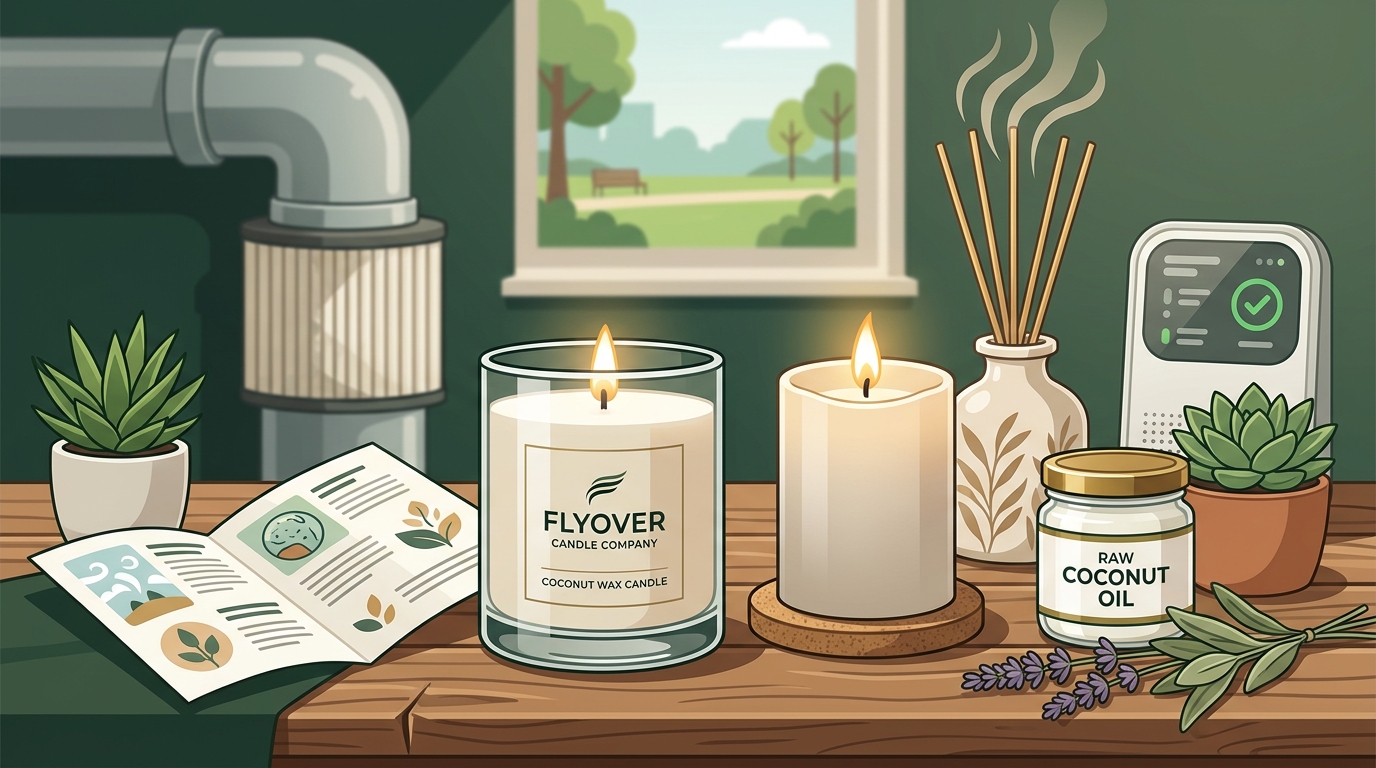
Selecting the right alternative depends on your priorities regarding scent throw, ambiance, and maintenance. The table below summarizes the key characteristics of the most common eco-friendly options.
| Option | Scent Throw | Ambiance | Eco-Impact | Maintenance |
|---|---|---|---|---|
| Soy Wax Candle | Medium to High | Warm Flame | Low (Biodegradable) | Trim wick |
| Beeswax Candle | Low to Medium | Bright Flame | Low (Natural) | Trim wick |
| LED Flameless Candle | None | Realistic Flicker | Medium (Battery/Plastic) | Replace batteries |
| Reed Diffuser | Low to Medium | None | Low (Refillable) | Flip reeds |
| Essential Oil Burner | High | Warm Light | Low (Electric) | Add oil/water |
Key Takeaways
- Paraffin wax is a petroleum byproduct that releases soot and VOCs, whereas soy and coconut waxes are renewable and biodegradable.
- Essential oils provide natural fragrance without the endocrine-disrupting phthalates found in synthetic fragrances.
- Unbleached cotton, hemp, and wood wicks eliminate the need for chemical stiffeners like zinc or lead.
- LED flameless candles offer a safe, zero-emission alternative for ambiance, particularly in homes with pets.
- Beeswax candles release negative ions that may help neutralize indoor pollutants, though they are costlier than plant-based options.
- Reed diffusers provide continuous scenting without combustion, making them ideal for small spaces.
- Supporting brands like Flyover Candle Company helps promote sustainable manufacturing practices in the home fragrance industry.
Frequently Asked Questions
Are soy candles better for you than paraffin?
Yes, soy candles are generally considered healthier because they burn at a lower temperature and produce significantly less soot and toxic chemicals than paraffin candles.
What is the cleanest burning wick material?
Untreated cotton and hemp wicks are the cleanest burning options because they do not contain the metal cores or chemical treatments found in traditional wicks.
Can I use essential oils in any candle?
No, essential oils have a lower flash point than synthetic fragrances. They require specific wax blends and temperatures to burn safely without evaporating too quickly.
How do I dispose of old candle jars?
Once the wax is fully consumed, clean the jar thoroughly. Most glass candle jars are recyclable, but you must remove any remaining wax and wick remnants first.
Do flameless candles smell like real candles?
Flameless candles do not produce scent themselves, but they can be used in conjunction with reed diffusers or essential oil burners to create a similar atmosphere without the fire.
What is the difference between coconut wax and soy wax?
Coconut wax has a lower melting point and holds fragrance better than soy wax, resulting in a stronger scent throw, while soy wax is generally more widely available and affordable.
Are beeswax candles safe for people with allergies?
Beeswax candles are often recommended for allergy sufferers because they release negative ions that can bind to dust and pollen, potentially reducing airborne allergens.
Shop Sustainable Scents
Transitioning to eco-friendly home fragrance does not mean sacrificing quality or aroma. By choosing plant-based waxes, essential oil blends, and sustainable wicks, you can enjoy a luxurious ambiance that respects your health and the planet. Explore the current collection at Flyover Candle Company to find your perfect sustainable match. Visit our Wholesale page for bulk options or check our Clearance section for limited-time offers on seasonal scents.