
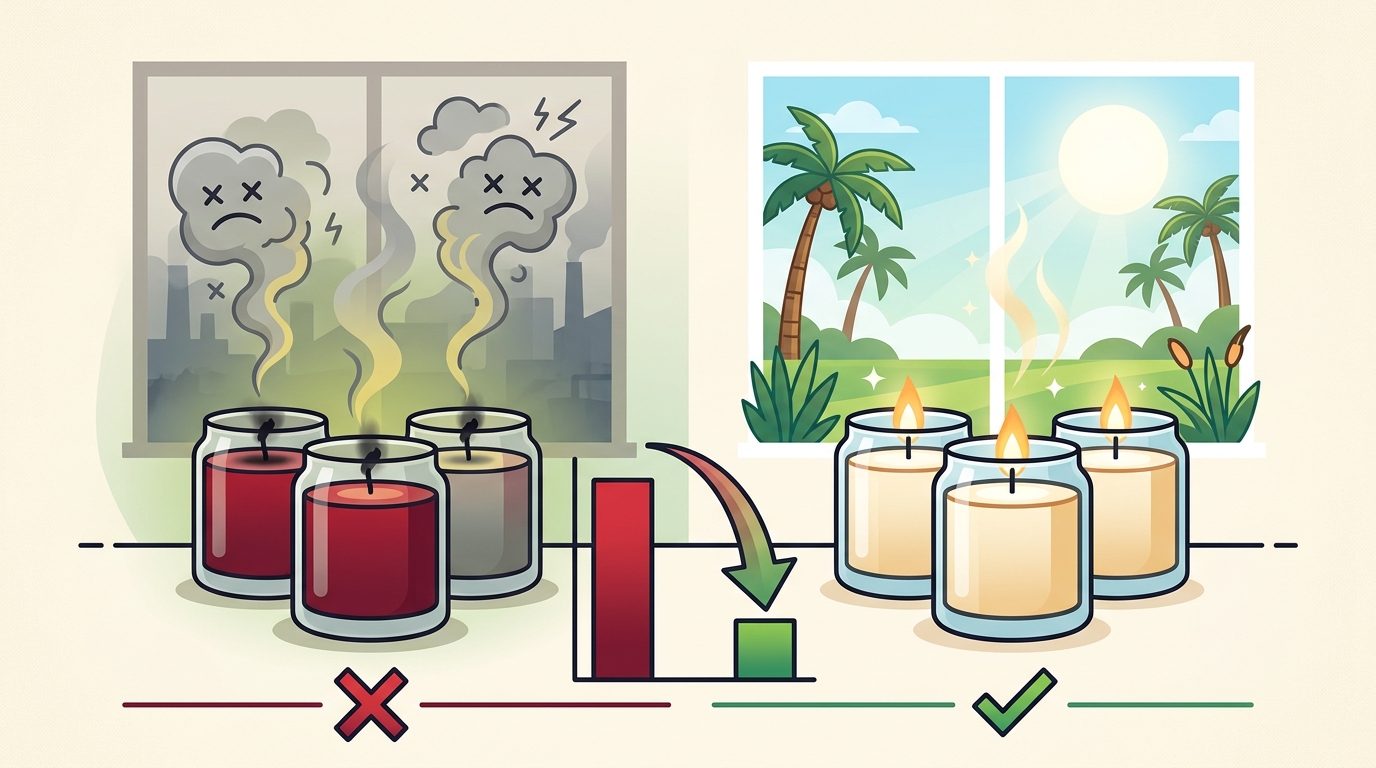
The global home fragrance market is undergoing a significant transformation as consumers prioritize environmental impact alongside aesthetic appeal. Traditional paraffin wax candles, derived from petroleum, release toxic compounds such as toluene and benzene when burned, contributing to indoor air pollution. According to recent environmental health reports, switching to clean-burning alternatives can reduce indoor particulate matter by up to 50 percent in enclosed spaces. This guide explores the most effective eco-friendly alternatives to traditional wax candles, helping you maintain a luxurious atmosphere without compromising your health or the planet.
Understanding Wax Types and Sustainability
To make an informed decision, you must first understand the material composition of your current candles. Most conventional candles use paraffin wax, a byproduct of crude oil refining. When paraffin burns, it does not simply disappear; it releases volatile organic compounds (VOCs) into your home environment. These VOCs can trigger respiratory issues and exacerbate allergies.
Paraffin is defined as a soft, colorless wax derived from petroleum, coal tar, or shale. Because it is a non-renewable resource, its production and combustion contribute directly to carbon emissions. In contrast, sustainable wax alternatives are derived from renewable plant sources or natural animal byproducts. These materials burn cleaner, produce less soot, and offer a more consistent melt pool. The shift toward plant-based waxes is not just a trend but a necessary evolution in home care standards.
Soy and Coconut Wax Alternatives
Soy wax has long been the most popular alternative to paraffin. Made from hydrogenated soybean oil, soy wax is biodegradable and renewable. It burns approximately 30 to 50 percent longer than paraffin candles of the same size. This extended burn time makes soy a cost-effective choice for frequent candle users. However, not all soy candles are created equal. Some manufacturers blend soy with paraffin to lower costs, which negates the environmental benefits.
Coconut wax is another exceptional option that has gained significant traction in the clean beauty and home sectors. Coconut wax is defined as a natural wax extracted from the meat of mature coconuts, often blended with other plant waxes for stability. It has a lower melting point than soy, which allows for a stronger scent throw even with less fragrance oil. This makes it ideal for those who want a potent aroma without using synthetic chemicals. Brands like Flyover Candle Company utilize coconut wax to create clean, luxurious fragrances that elevate any living space.
When selecting soy or coconut options, look for certifications that verify the wax is 100 percent plant-based. Avoid products that list "paraffin" or "microcrystalline wax" in the ingredients. The wick material is equally important. Cotton wicks are generally preferred over paper-core wicks, which can contain lead or zinc to maintain rigidity. Modern sustainable brands use lead-free cotton or wood wicks for a crackling, fireplace-like ambiance.
The Benefits of Natural Beeswax
Beeswax is perhaps the oldest and most natural candle material available. Harvested from honeycomb structures, beeswax is a byproduct of the honey industry, making it a fully sustainable resource when sourced ethically. Beeswax candles burn significantly cleaner than any other wax type, producing negative ions that can help purify the air by breaking down allergens, bacteria, and viruses.
Beeswax is defined as a natural yellow or golden wax produced by honey bees of the genus Apis. It has a naturally sweet, honey-like scent that requires no added fragrances. This makes it an excellent choice for individuals with sensitive noses or chemical sensitivities. Beeswax candles also burn at a higher temperature, which helps to vaporize any impurities in the air as the candle burns. While beeswax is typically more expensive than soy or paraffin, its longevity and air-purifying qualities justify the investment for health-conscious consumers.
Supporting ethical beekeeping practices is crucial when choosing beeswax products. Look for brands that prioritize bee welfare and sustainable harvesting methods. The environmental impact of bee decline is a critical global issue, and supporting responsible wax producers contributes to the preservation of pollinator populations.
Non-Wax Fragrance Options
If you are seeking the ultimate eco-friendly alternative, consider non-wax fragrance delivery systems. These products eliminate the need for combustion entirely, removing the risk of soot, smoke, and indoor air pollution. Diffusers, reed sticks, and essential oil sprays are becoming the preferred choice for modern, sustainable homes.
Car diffusers and home reed diffusers use a carrier oil to release fragrance molecules into the air. This method provides a consistent scent throw without the fluctuation of a flame. For example, Flyover Candle Company offers car diffusers in scents like Faded Denim and Golden Hour, providing a clean, long-lasting aroma for your vehicle. These diffusers are often made from sustainable materials like cork, wood, or recycled glass, further reducing their environmental footprint.
Essential oil burners and ultrasonic diffusers are also excellent alternatives. They use water and heat or ultrasonic vibrations to disperse natural essential oils. This approach allows you to customize your fragrance profile while enjoying the therapeutic benefits of aromatherapy. Many users find that non-wax options offer a more subtle and sophisticated scent experience compared to the heavy throw of traditional candles.
Comparison of Eco-Friendly Options
Understanding the differences between these alternatives helps you choose the right product for your specific needs. The table below summarizes the key characteristics of each option.
| Fragrance Type | Burn Time | Air Quality Impact | Scent Throw | Best For |
|---|---|---|---|---|
| Soy Wax Candles | Long (40-60 hours) | Low (Clean burn) | Moderate to Strong | Daily home use |
| Coconut Wax Candles | Very Long (50-70 hours) | Very Low (Ultra-clean) | Strong | Scent enthusiasts |
| Beeswax Candles | Very Long (60-100 hours) | Positive (Air purifying) | Natural/Subtle | Health & wellness |
| Car Diffusers | N/A (Lasts weeks) | None (No combustion) | Consistent | Vehicle freshness |
| Reed Diffusers | N/A (Lasts months) | None (No combustion) | Subtle | Low-maintenance homes |
Key Takeaways
- Paraffin wax is a petroleum byproduct that releases toxic VOCs when burned.
- Soy and coconut waxes are renewable, biodegradable, and burn cleaner than paraffin.
- Beeswax candles produce negative ions that can help purify indoor air.
- Non-wax options like diffusers eliminate combustion risks entirely.
- Look for 100 percent plant-based wax certifications to ensure purity.
- Coconut wax offers a superior scent throw with less fragrance oil.
- Supporting ethical brands like Flyover Candle Company promotes sustainable manufacturing practices.
Frequently Asked Questions
Are soy candles better for you than paraffin?
Yes, soy candles are significantly better for your health. Soy wax is derived from soybeans and burns cleaner, producing less soot and no toxic petroleum byproducts. Paraffin candles release benzene and toluene, which are known carcinogens.
What is the cleanest burning candle wax?
Beeswax is widely considered the cleanest burning wax because it produces negative ions that neutralize pollutants. Coconut wax is also an excellent choice, as it burns at a lower temperature and requires less fragrance oil to achieve a strong scent.
Do eco-friendly candles last as long as traditional ones?
Yes, in fact, they often last longer. Soy and coconut waxes have lower melting points than paraffin, which allows them to burn more slowly and evenly. This can extend the life of the candle by 30 to 50 percent.
Can I use essential oils in traditional candles?
It is not recommended to add essential oils to paraffin candles. Essential oils have different flash points than synthetic fragrances and can cause the candle to burn too hot or extinguish itself. Use candles specifically formulated for essential oils, typically made from soy or coconut wax.
How do I dispose of leftover candle wax?
Leftover soy, coconut, and beeswax candles are biodegradable. You can compost small amounts of wax or dispose of them in the trash. Avoid pouring wax down the drain, as it can solidify and clog pipes. Instead, let the wax harden and scrape it into the trash.
What are the best eco-friendly alternatives to candles?
The best alternatives are reed diffusers, car diffusers, and essential oil sprays. These products provide long-lasting fragrance without any combustion, soot, or smoke. They are ideal for homes with pets or individuals with respiratory sensitivities.
Is coconut wax more expensive than soy wax?
Coconut wax is typically more expensive to produce than soy wax due to the harvesting and processing requirements. However, its superior scent throw and burn performance often make it a worthwhile investment for fragrance enthusiasts.
How can I tell if a candle is truly eco-friendly?
Check the ingredient list for 100 percent natural wax. Look for cotton or wood wicks without metal cores. Avoid candles with synthetic dyes or phthalate-based fragrances. Reputable brands will be transparent about their sourcing and manufacturing processes.
Shop Sustainable Fragrances
Transitioning to eco-friendly home fragrances is a simple yet impactful step toward a healthier living environment. By choosing clean-burning waxes or non-combustion diffusers, you reduce your carbon footprint and protect your indoor air quality. Explore the curated collections at Flyover Candle Company to discover luxurious, sustainable scents crafted with care. From the Summer Collection to the year-round Signature Collection, you can elevate your home with fragrances that respect both your space and the planet.