
Modern consumers increasingly prioritize sustainable home decor and clean indoor air quality. Research indicates that traditional paraffin candles release volatile organic compounds that can impact respiratory health over time. Indoor air quality reports consistently highlight the importance of switching to cleaner burning alternatives. This shift toward sustainable options has driven demand for plant-based waxes and flameless lighting solutions. Understanding these options helps you make informed purchasing decisions that align with your environmental values. We will explore the most effective substitutes for traditional wax candles while examining their performance characteristics and environmental impact.
Understanding Modern Candle Materials
Traditional paraffin wax derives from petroleum refining processes. This petroleum-based material releases soot and hydrocarbons when burned. Many households now seek cleaner alternatives that eliminate these byproducts. Coconut wax represents a leading sustainable option. Coconut wax is a plant-derived fuel source extracted from mature coconut meat. This renewable material burns cleaner and holds fragrance oils exceptionally well. Brands like Flyover Candle Company utilize coconut wax to create long-lasting, eco-conscious products. You can explore their signature collection to see how modern formulations prioritize sustainability without sacrificing performance.
Soy wax offers another viable alternative. Soy wax is a vegetable-based fuel matrix derived from processed soybean oil. It produces minimal soot and burns at a lower temperature than petroleum derivatives. This characteristic extends the overall lifespan of the product. Consumers frequently choose soy blends for their steady melt pools and reduced environmental footprint. Switching to plant-based waxes directly supports agricultural sustainability and reduces reliance on fossil fuels.
Beeswax and Plant-Based Substitutes
Natural wax alternatives continue to gain market share. Beeswax remains the oldest known candle material. Beeswax is a natural secretion produced by honeybees to construct honeycomb structures. It burns slowly and emits a subtle honey aroma. This material also naturally purifies indoor air by releasing negative ions. Many eco-conscious shoppers prefer beeswax for its zero-toxin profile and renewable harvesting methods.
Plant-based blends combine multiple renewable resources. These formulations often mix coconut, soy, and palm derivatives. Palm wax requires careful sourcing to avoid deforestation. Certified sustainable palm wax ensures responsible agricultural practices. You can find specialized stockists who prioritize ethical sourcing and transparent supply chains. Always verify certification labels before purchasing to guarantee environmental compliance.
Electric and Flameless Lighting Solutions
Flameless lighting eliminates combustion entirely. LED technology has advanced significantly in recent years. Modern LED candles mimic realistic flickering flames while consuming minimal electricity. These devices require zero maintenance and pose no fire risk. They are ideal for households with children or pets. Many retailers now offer premium LED options that replicate the aesthetic of traditional wax candles.
Battery-operated units provide complete portability. You can place them anywhere without worrying about ventilation or draft sensitivity. These units often feature timer functions and dimming controls. They represent the safest option for continuous ambient lighting. Consider integrating these devices into your seasonal decor strategy to maintain safety without compromising atmosphere.
Essential Oil Diffusers and Aromatherapy Tools
Aromatherapy diffusers deliver fragrance without combustion. Ultrasonic diffusers use water and high-frequency vibrations to disperse essential oils. This method preserves the therapeutic properties of botanical extracts. You can customize scent intensity and duration to match your preferences. Many brands now offer integrated car diffuser and home accessories that complement traditional candle collections.
Reed diffusers rely on capillary action to release fragrance. These passive systems require no electricity or heat sources. They operate quietly and safely around sensitive individuals. You can browse our home and accessories category to discover complementary products. These tools provide continuous scent distribution without the need for active burning or maintenance.
Comparing Burn Times and Cost Efficiency
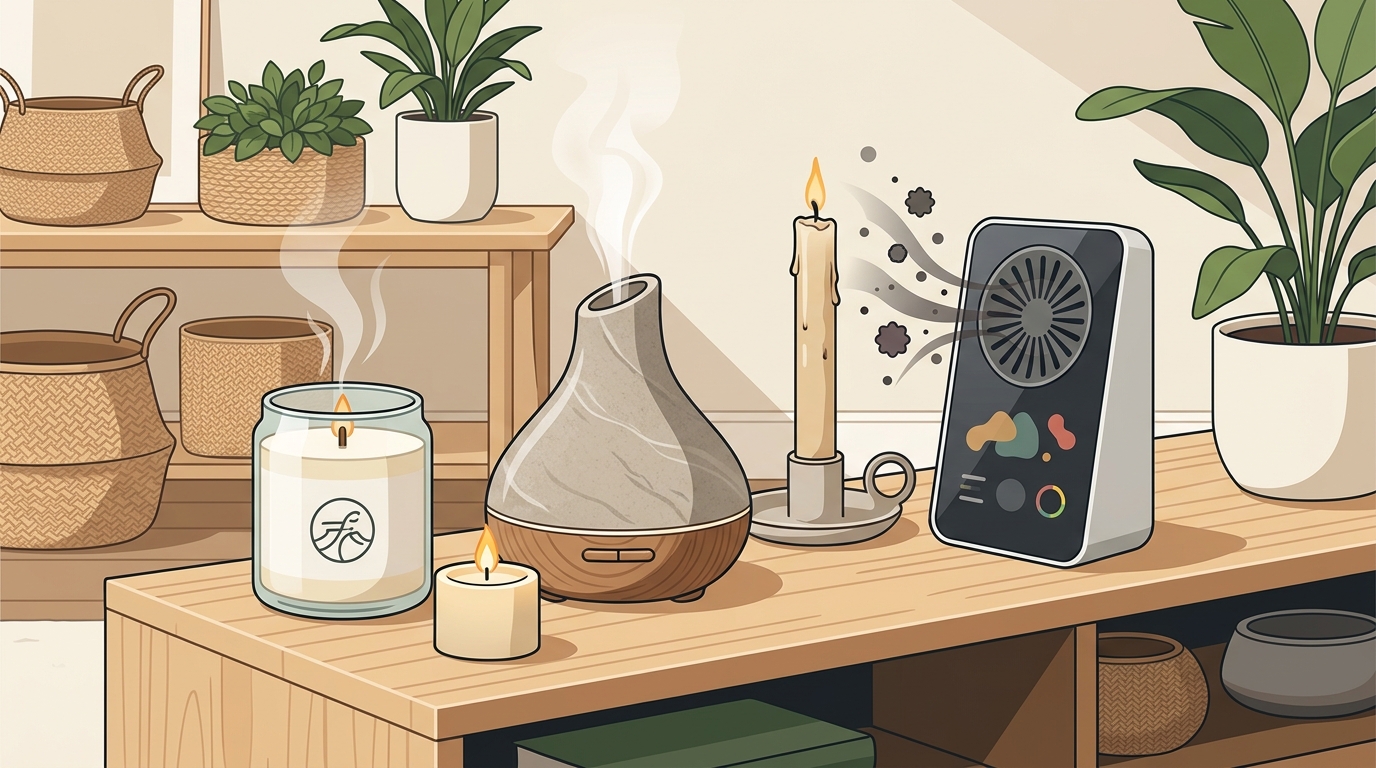
Evaluating long-term value requires analyzing burn rates and material costs. Coconut wax typically burns 30 to 50 percent longer than paraffin. Air quality data shows that extended burn times directly reduce particulate exposure. This extended duration offsets the higher initial purchase price. Soy wax offers comparable burn times with slightly faster consumption rates. Beeswax burns the slowest but commands a premium price point. Electric and diffuser options eliminate recurring fuel costs entirely.
| Material Type | Burn Duration | Cost Efficiency | Environmental Impact |
|---|---|---|---|
| Coconut Wax | Extended (30-50% longer) | High | Renewable, low emissions |
| Soy Wax | Moderate | Medium | Agricultural byproduct, clean burn |
| Beeswax | Very Long | Low | Natural, air-purifying |
| LED Electric | Indefinite | Very High | Zero emissions, reusable |
| Ultrasonic Diffuser | Continuous | High | Therapeutic, chemical-free |
Key Takeaways
- Coconut wax burns significantly longer than petroleum-based alternatives.
- Soy wax provides a cost-effective solution for everyday use.
- Beeswax naturally purifies indoor air through negative ion emission.
- LED flameless options eliminate fire risks and maintenance requirements.
- Ultrasonic diffusers preserve botanical therapeutic properties.
- Reed diffusers offer passive, continuous fragrance distribution.
- Transparent supply chain verification ensures genuine sustainability claims.
Frequently Asked Questions
Are coconut wax candles safe for indoor use?
Yes, coconut wax candles are completely safe for indoor environments. They produce minimal soot and burn at lower temperatures. This characteristic reduces airborne particulate matter significantly.
How do I choose between soy and beeswax?
Soy wax offers affordability and steady burning performance. Beeswax provides extended burn times and natural air purification. Your choice depends on budget constraints and specific fragrance preferences.
Do LED candles replicate the experience of real flames?
Modern LED technology closely mimics realistic flickering patterns. They lack the warmth and scent diffusion of combustion. However, they provide unmatched safety and convenience for continuous use.
Can I use essential oil diffusers with synthetic fragrances?
Most ultrasonic diffusers work best with pure botanical extracts. Synthetic oils may clog internal mechanisms over time. Always verify manufacturer guidelines before adding concentrated blends.
What is the average lifespan of a coconut wax candle?
Standard containers typically deliver 40 to 60 hours of burn time. Larger vessels extend this duration considerably. Proper wick trimming maximizes efficiency and prevents tunneling.
Are reed diffusers effective for large rooms?
Reed diffusers perform optimally in small to medium spaces. You can increase reed count to boost diffusion radius. Pairing multiple units ensures consistent scent distribution throughout larger areas.
How do I dispose of used candle containers sustainably?
Allow wax to cool completely before removal. Scrape residual wax into compost or recycling bins. Clean glass containers can be reused for storage or gardening projects.
Final Recommendations
Selecting the right alternative depends on your specific lifestyle requirements and environmental priorities. Plant-based waxes deliver authentic fragrance throw with minimal emissions. Flameless and diffuser solutions prioritize safety and continuous operation. We encourage you to explore our complete product lineup to find the perfect match for your space. Visit our main collection page to browse seasonal releases and signature blends. You can also connect with our wholesale team for custom inquiries or bulk purchasing options. Start your sustainable home fragrance journey today by exploring our stockists and subscription programs.