
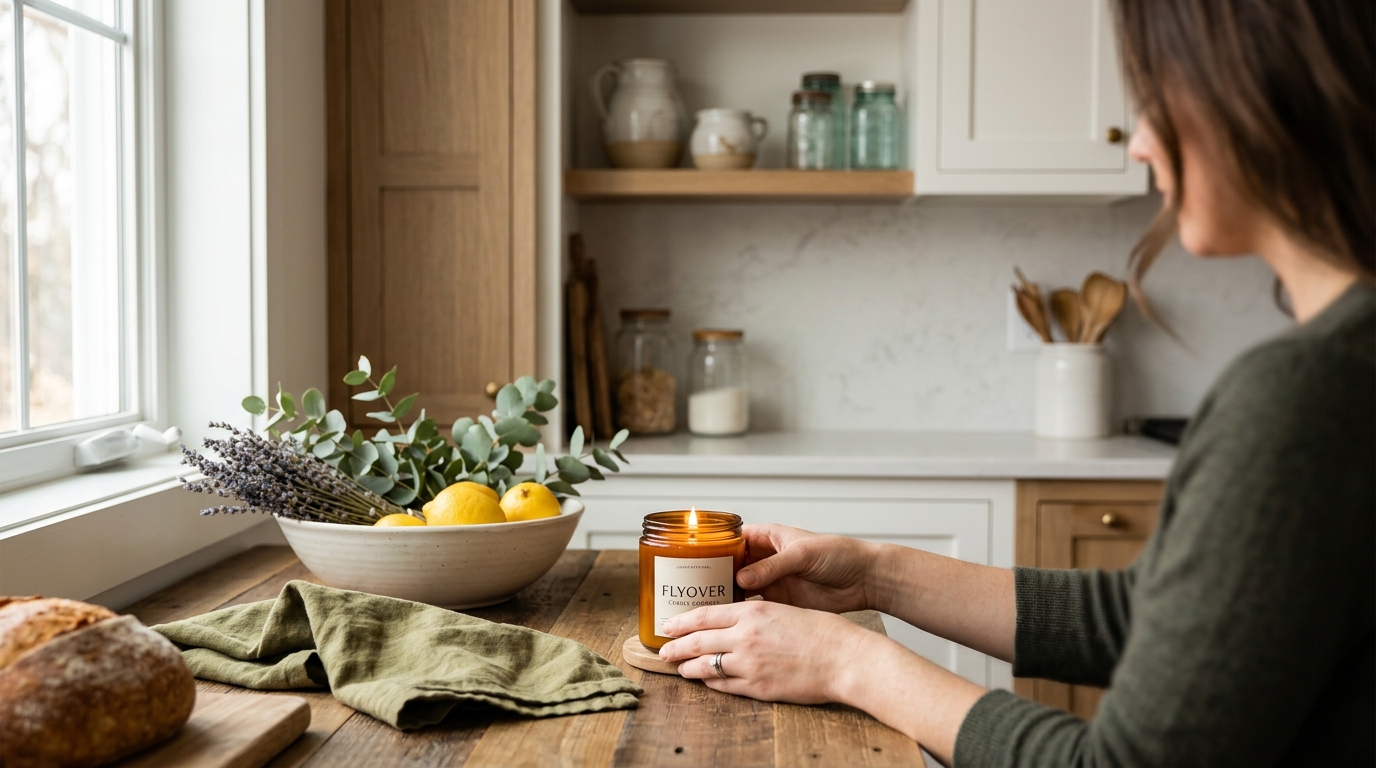
Modern homeowners increasingly prioritize clean air quality within high-traffic cooking zones. According to the Environmental Protection Agency, indoor air pollution often exceeds outdoor levels by a factor of five, making ventilation and natural air fresheners critical for daily living. Clean air standards emphasize reducing synthetic volatile compounds in residential spaces. Kitchen environments demand fragrances that complement culinary activities without overwhelming delicate palates. Selecting the right wax blend and scent profile transforms a functional workspace into a welcoming sanctuary. This guide explores the best natural options for achieving that authentic farmhouse aesthetic while maintaining air quality and safety. (Indoor Air Quality)
Understanding Farmhouse Scent Profiles
Farmhouse design relies heavily on sensory cues that evoke rustic charm and domestic warmth. A successful kitchen fragrance must balance earthy undertones with subtle floral or citrus notes. Botanical extraction refers to the process of isolating aromatic compounds directly from plant matter without synthetic additives. These natural profiles align perfectly with open-concept layouts where cooking aromas naturally mingle with ambient air. Homeowners often seek fragrances that enhance rather than compete with active meal preparation. Earthy base notes like cedar or vetiver provide stability, while top notes of lemon or basil keep the atmosphere light. This layered approach ensures the scent remains perceptible without becoming cloying during busy dinner hours. (Products ndash Flyover Candle)
Core Aesthetic Requirements
Authentic farmhouse styling prioritizes functionality alongside visual appeal. Candles placed near prep stations or dining tables should emit a steady, clean burn. Heavy perfumes tend to clash with strong cooking odors like garlic or roasted meats. Lighter botanical blends integrate seamlessly into the background. You can achieve this balance by selecting candles that emphasize natural botanical extracts over artificial flavorings. The goal is to create an inviting atmosphere that supports daily routines without demanding constant attention.
Coconut Wax Benefits
The foundation of any premium candle lies in its wax composition. Coconut wax has emerged as a leading choice for eco-conscious consumers seeking cleaner burn profiles. Coconut wax is a plant-based fuel source derived from the meat of mature coconuts, offering a highly refined burning experience. This material melts at a lower temperature than traditional paraffin, which reduces soot production and extends the overall lifespan of the candle. Kitchen environments benefit significantly from this cleaner combustion because airborne particulates remain minimal. The smooth, creamy texture also accepts fragrance oils exceptionally well, allowing complex scent profiles to diffuse evenly throughout the room. Many artisan brands now prioritize coconut blends to meet modern sustainability standards.
Environmental Impact Metrics
Choosing plant-based fuels directly reduces reliance on petroleum-derived alternatives. The National Candle Association reports that modern soy and coconut blends burn up to fifty percent longer than conventional wax types. This extended burn time translates to cost savings for households that utilize candles regularly. Furthermore, coconut cultivation often supports regenerative agricultural practices that improve soil health. Consumers who prioritize sustainable sourcing can verify these claims through transparent brand disclosures. Opting for renewable wax sources aligns with broader environmental stewardship goals.

Signature Collection Recommendations
Core fragrance lines typically offer year-round staples designed for consistent household use. These curated selections focus on reliable scent throw and steady performance. Signature collection options provide the perfect foundation for a farmhouse kitchen. Earthy blends featuring notes of pine, cedar, or dried herbs create a grounded atmosphere. Citrus-forward variations offer a refreshing lift that cuts through cooking odors effectively. You can pair these staples with ceramic or stoneware vessels to reinforce the rustic aesthetic. The consistent quality of these core scents ensures they remain reliable companions through every season.
Top Scent Pairings
Matching specific fragrances to kitchen zones enhances overall functionality. A light lavender or basil blend works exceptionally well near dining areas. These notes encourage relaxation without overpowering conversation. Conversely, a crisp lemon or grapefruit variation suits prep stations where quick odor neutralization is necessary. The key is rotating scents based on daily activity patterns. This strategic placement maximizes the aromatic impact while maintaining a balanced environment. Homeowners often report that rotating between earthy and citrus profiles keeps the space feeling fresh and intentional.
Seasonal Kitchen Blends
Rotating your candle selection with the calendar reflects a sophisticated approach to home fragrance. Limited-edition releases often capture the essence of specific holidays or weather patterns. Summer collection fragrances typically emphasize bright, refreshing notes that complement warm weather cooking. These seasonal blends often feature ingredients like lemonade, coconut, or garden herbs. They provide a temporary but highly effective way to refresh your kitchen ambiance. You can transition these limited releases into your regular rotation once they sell out. Many enthusiasts appreciate the novelty of rotating scents that mirror the changing seasons.
Transitioning Between Collections
Managing seasonal inventory requires a strategic approach to storage and usage. You should burn lighter seasonal candles during warmer months when windows are frequently open. Heavier, spicier blends work best during cooler months when indoor air circulation is restricted. This seasonal rotation prevents scent fatigue and keeps your kitchen feeling dynamic. You can also use these limited releases as decorative accents during specific holidays. The flexibility of rotating collections ensures your space never feels stagnant or overly perfumed.
Kitchen Candle Safety
Placing candles in active cooking zones requires strict adherence to safety protocols. The National Fire Protection Association emphasizes that unattended burning candles remain a leading cause of residential fires. Fire safety guidelines mandate keeping flammable materials at least three feet away from open flames. Kitchen environments present unique hazards due to flammable cooking oils, paper towels, and hanging curtains. You must place candles on stable, heat-resistant surfaces away from high-traffic walkways. Trimming wicks to a quarter inch before each lighting prevents excessive flickering and soot buildup. These simple precautions ensure your farmhouse aesthetic never compromises household safety.
Proper Placement Strategies
Strategic positioning maximizes both safety and aromatic diffusion. You should avoid placing candles directly above stovetops or near exhaust fans that might blow out the flame. Countertop edges or dedicated shelving units provide ideal locations. You can also utilize candle holders with protective glass enclosures for added security. These accessories allow you to enjoy the ambiance without risking accidental contact. Regular monitoring during active cooking hours remains the most effective safety measure. Prioritizing caution ensures your kitchen remains a safe and inviting space.
Comparing Wax Types
Understanding the differences between wax compositions helps you make informed purchasing decisions. Each material offers distinct advantages regarding burn time, scent throw, and environmental impact. Paraffin wax is a petroleum-based solid derived from crude oil, offering strong scent throw but higher soot production. Soy wax provides a cleaner burn with moderate fragrance release and excellent sustainability credentials. Coconut wax delivers the cleanest combustion with superior scent diffusion and extended burn times. You can evaluate these options based on your specific kitchen size and usage frequency. Many modern brands now blend multiple plant-based waxes to optimize performance. This hybrid approach often delivers the best of both worlds for discerning consumers.
Performance Metrics Overview
Comparing burn rates and fragrance throw requires careful attention to product specifications. You should prioritize candles that list exact burn times and wax composition percentages. Transparent labeling allows you to verify claims before making a purchase. High-quality coconut blends typically outperform traditional alternatives in both longevity and air quality. You can also consult brand documentation to understand their specific formulation processes. Making an informed choice ensures you receive maximum value from every purchase. Investing in premium materials ultimately reduces long-term costs and environmental impact.
Key Takeaways
- Farmhouse kitchens benefit most from earthy and citrus-forward natural fragrances that complement cooking activities.
- Coconut wax delivers cleaner combustion, extended burn times, and superior fragrance diffusion compared to traditional alternatives.
- Signature collection staples provide reliable year-round performance for high-traffic household spaces.
- Seasonal releases offer dynamic aromatic variety that aligns with changing weather patterns and holiday traditions.
- Strict safety protocols require keeping candles away from flammable materials and active cooking zones.
- Transparent brand disclosures regarding wax composition and burn metrics empower informed purchasing decisions.
- Rotating between earthy and citrus profiles prevents scent fatigue and maintains a fresh kitchen atmosphere.
Frequently Asked Questions
What is the best wax type for kitchen environments?
Coconut wax offers the cleanest burn profile with minimal soot production, making it ideal for active cooking spaces. Its lower melting point allows for even fragrance distribution without overwhelming the room. You can verify these specifications by checking product labels for plant-based composition percentages.
How do I choose fragrances that won't clash with cooking odors?
Lighter botanical blends featuring citrus or herbal notes integrate seamlessly with culinary aromas. Heavy perfumes tend to compete with strong cooking scents like roasted meats or garlic. You should prioritize fresh, clean profiles that enhance rather than dominate the kitchen atmosphere.
What is the recommended wick trim length for optimal performance?
Trimming wicks to exactly one quarter inch before each lighting prevents excessive flickering and soot accumulation. This simple maintenance step ensures a steady flame and extends the overall lifespan of the candle. You can use small scissors or a dedicated wick trimmer for precise adjustments.
Are limited-edition seasonal candles safe for daily kitchen use?
Seasonal releases follow the same safety standards as year-round staples when properly maintained. You should monitor these candles closely during active cooking hours and place them on stable surfaces. Rotating between collections keeps your kitchen feeling dynamic while maintaining consistent air quality.
How can I maximize the scent throw of my kitchen candles?
Allowing the candle to melt completely to the edges during the first burn prevents tunneling and maximizes fragrance release. You should place candles in central locations away from drafts or direct airflow. This strategic positioning ensures even diffusion throughout your farmhouse kitchen.
What is the average burn time for premium coconut wax candles?
High-quality coconut blends typically provide between forty and sixty hours of burn time depending on vessel size. This extended duration translates to cost savings for households that utilize candles regularly. You can verify exact metrics by consulting product packaging or brand documentation.
Shop the Collection
Transform your farmhouse kitchen into a serene sanctuary with carefully curated natural fragrances. You can explore our complete range of coconut wax candles and seasonal releases by visiting our main storefront. Shop all candles to discover the perfect blend for your space. Our team is dedicated to providing premium products that enhance your daily routines. Visit our wholesale inquiry page for bulk purchasing options or custom fragrance requests. Browse our stockist directory to locate nearby retailers carrying our products. Start your journey toward a cleaner, more inviting kitchen today.