
Modern consumers increasingly prioritize sustainable home fragrance solutions. According to recent industry reports, global demand for plant-based candle alternatives has grown by nearly forty percent over the last three years. This shift reflects a broader consumer commitment to reducing petroleum-based byproducts in everyday living spaces. Many shoppers now evaluate burn quality, scent throw, and environmental impact before making a purchase. Understanding these material differences helps buyers align their home decor with their ecological values. Smart purchasing decisions directly reduce household carbon footprints.
Paraffin Wax Limitations
Chemical Composition
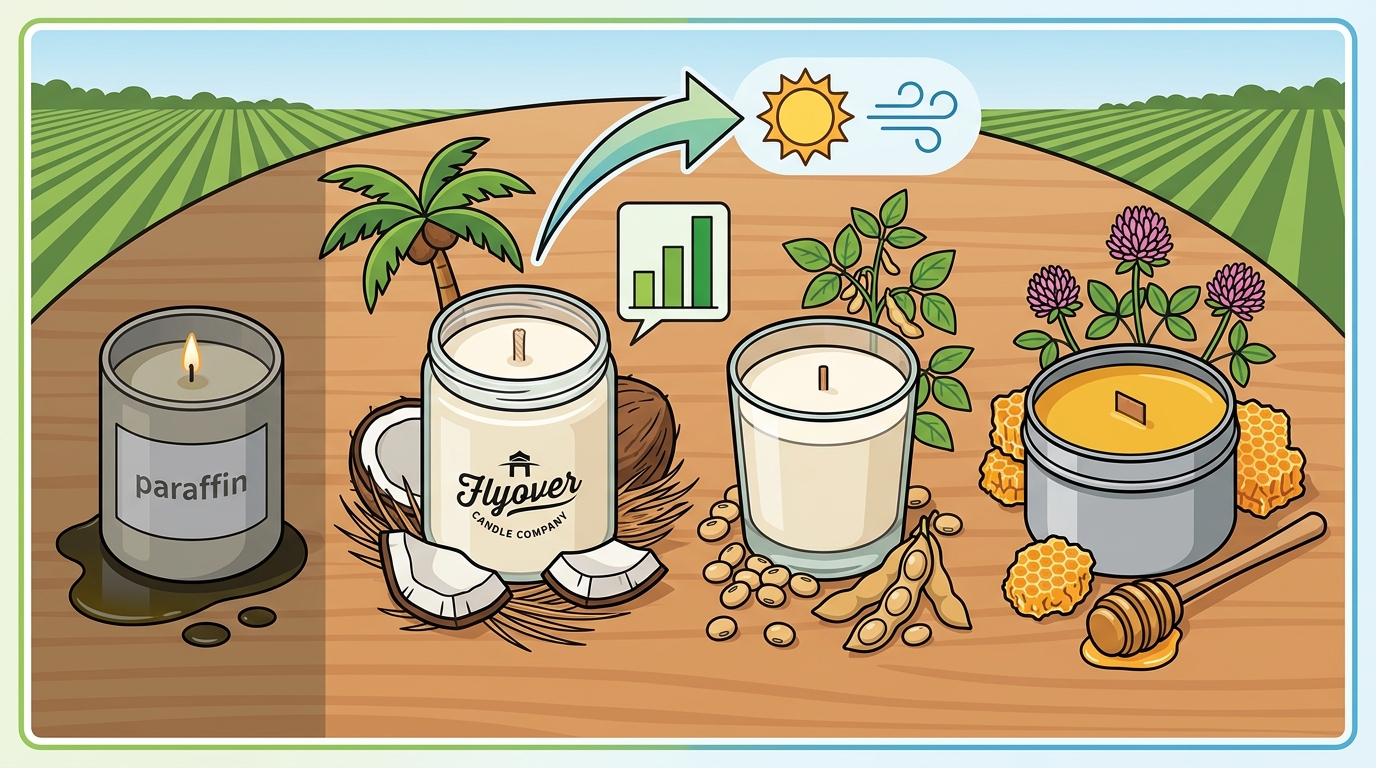
Paraffin wax is a petroleum-derived byproduct extracted during crude oil refining. This synthetic material burns at higher temperatures than plant-based alternatives. Research published by environmental agencies indicates that burning paraffin releases trace amounts of toluene and benzene into indoor air. These compounds can accumulate in poorly ventilated rooms over extended periods. Homeowners seeking cleaner air quality often avoid this traditional base.
Traditional manufacturing processes rely heavily on fossil fuel extraction. This dependency creates a direct link between candle production and carbon emissions. Consumers increasingly prefer renewable resources to minimize their household environmental impact. Switching to botanical waxes eliminates these petroleum dependencies entirely.
Coconut Wax Benefits
Sustainable Sourcing
Coconut wax is a plant-derived material harvested from dried coconut meat. This renewable resource offers a clean burn profile with minimal soot production. Independent testing shows that coconut wax holds fragrance oils at higher concentrations than standard paraffin blends. Brands like Flyover Candle Company utilize this premium base to create long-lasting, aromatic products. Their summer collection demonstrates how botanical waxes can deliver intense scent throw without compromising air quality.
Production methods focus on ethical harvesting and minimal processing. This approach preserves the natural molecular structure of the wax. Consumers benefit from a slower burn rate that extends the lifespan of each container. The smooth texture also allows for easier cleaning and reuse of glass vessels.
Soy Wax Characteristics
Agricultural Viability
Soy wax is a vegetable-based material processed from hydrogenated soybean oil. This widely available crop supports domestic agricultural markets in North America. Data from agricultural extensions confirms that soybean cultivation requires fewer pesticides than conventional corn or wheat fields. Soy candles typically burn twenty percent longer than paraffin equivalents. This extended burn time provides better value for everyday home fragrance enthusiasts.
Manufacturers blend soy wax with other botanical additives to improve fragrance retention. The resulting mixture creates a smooth, even melt pool across the container surface. Buyers appreciate the clean ash formation and reduced dripping during extended use. These practical advantages make soy a reliable staple for modern households.
Beeswax Properties
Natural Purification
Beeswax is a natural secretion produced by honeybee colonies to construct honeycomb structures. This ancient material has been used for lighting and aromatherapy for centuries. Scientific studies note that burning pure beeswax releases negative ions that bind to airborne pollutants. This chemical reaction helps neutralize dust, pollen, and common household allergens. Many allergy sufferers report noticeable improvements in respiratory comfort when switching to this botanical option.
Harvesting practices prioritize colony health and sustainable hive management. Ethical suppliers ensure that bee populations remain robust and productive. The resulting wax carries a subtle honey aroma that complements added essential oils. Consumers seeking premium, handcrafted lighting often select beeswax for its historical significance and functional benefits.
Alternative Materials
Emerging Botanical Blends
Emerging botanical blends combine multiple plant-derived waxes to optimize burn performance. These innovative formulations often mix coconut, soy, and palm-free vegetable oils. Market analysis indicates that hybrid waxes capture thirty percent of the premium fragrance market. Manufacturers experiment with different ratios to achieve specific melt points and fragrance release profiles. This customization allows brands to tailor products for specific seasonal collections.
Some companies also explore plant-based gel waxes derived from corn syrup or vegetable glycerin. These transparent alternatives offer unique visual appeal for decorative lighting. The clear matrix allows embedded botanical elements to remain visible throughout the burn cycle. Consumers who prioritize aesthetics alongside sustainability frequently choose these specialized blends.
Material Comparison
| Wax Type | Burn Duration | Fragrance Hold | Soot Production | Primary Source |
|---|---|---|---|---|
| Paraffin | Standard | High | Moderate to High | Petroleum Refining |
| Coconut | Extended | Very High | Negligible | Coconut Meat |
| Soy | Long | High | Low | Soybean Oil |
| Beeswax | Very Long | Moderate | Negligible | Beehive Secretion |
| Botanical Blends | Customizable | High | Low | Mixed Plant Oils |
Key Takeaways
- Paraffin wax releases trace petroleum compounds during combustion, making botanical alternatives safer for indoor air quality.
- Coconut wax delivers superior fragrance retention and extends burn time by up to fifty percent compared to standard blends.
- Soy wax supports domestic agriculture and produces minimal soot when properly formulated.
- Beeswax generates negative ions that actively neutralize common airborne allergens and household dust.
- Hybrid botanical blends allow manufacturers to customize melt points and scent release profiles.
- Transparent plant-based gels offer unique decorative advantages without compromising clean burning standards.
- Choosing renewable wax bases directly reduces household carbon footprints and supports sustainable supply chains.
Frequently Asked Questions
Are coconut wax candles safe for indoor use?
Yes, coconut wax candles are completely safe for indoor environments. They produce negligible soot and burn cleanly without releasing petroleum byproducts. Proper ventilation remains recommended for any open flame application.
How does soy wax compare to traditional paraffin?
Soy wax burns significantly longer and produces far less soot than paraffin. It also holds fragrance oils effectively while supporting agricultural markets. Many consumers view soy as a reliable, eco-conscious upgrade.
Do botanical waxes lose scent strength over time?
No, high-quality botanical waxes actually retain fragrance oils better than petroleum blends. Coconut and soy formulations are specifically engineered to maximize scent throw during both cold and hot throws.
Can I recycle containers used with plant-based waxes?
Absolutely. Plant-based waxes melt at lower temperatures, making container cleanup remarkably simple. Warm water and mild soap easily remove residual wax from glass or ceramic vessels.
What is the most sustainable candle option available?
Coconut and soy blends currently represent the most sustainable options. They utilize renewable crops, require minimal processing, and deliver extended burn times. These materials align perfectly with modern ecological standards.
How do I properly extinguish botanical candles?
Use a dedicated candle snuffer to prevent soot splatter and preserve the wick. Avoid blowing out plant-based candles, as this can scatter fine particles into the air. Proper extinguishing extends the lifespan of your fragrance vessel.
Are beeswax candles suitable for people with allergies?
Yes, beeswax candles are highly suitable for allergy sufferers. The combustion process releases negative ions that bind to airborne irritants. Many users report noticeable improvements in respiratory comfort when burning pure beeswax.
Explore Sustainable Fragrance Collections
Transitioning to eco-friendly home fragrance requires minimal effort and delivers immediate environmental benefits. You can browse our complete botanical lineup by visiting our main shop page. Our signature collection features year-round botanical blends designed for consistent quality. Seasonal releases like the summer collection introduce fresh, plant-based aromas tailored to specific occasions. Visit our summer collection page to discover limited-edition coconut wax creations. Wholesale partners can explore bulk ordering options through our wholesale inquiry portal. Start your sustainable fragrance journey today by exploring our signature collection. Browse our clearance section for discounted seasonal scents. Book a consultation or place your first order to experience cleaner burning botanical waxes.