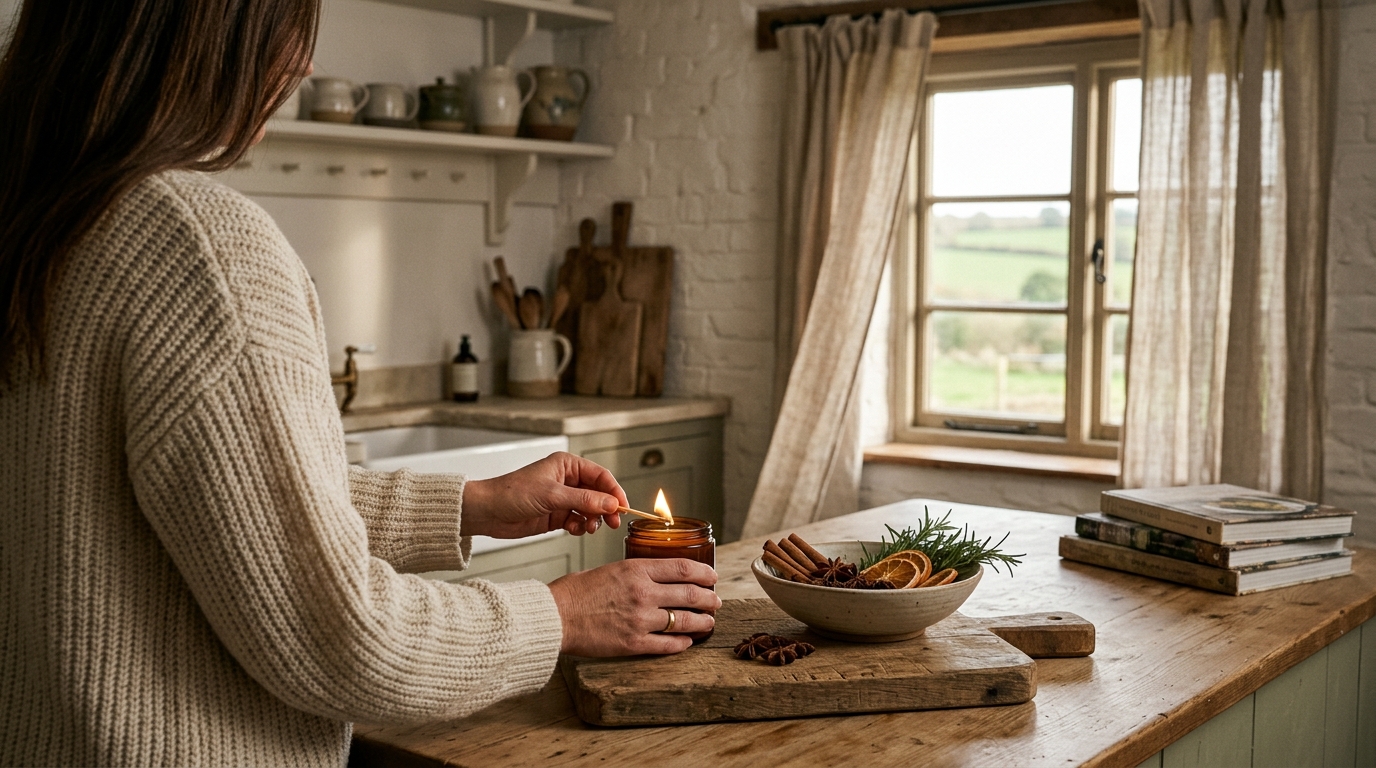
Modern homeowners increasingly prioritize clean air quality when designing functional living spaces. According to the Environmental Protection Agency, indoor air pollution often exceeds outdoor levels by two to five times, making ventilation and non-toxic decor essential for busy cooking areas. Selecting the right wax blend and wick material directly impacts how thoroughly a flame burns without releasing harmful particulates into your culinary workspace. This guide examines the most effective options for achieving that warm, rustic atmosphere while maintaining strict safety standards. You will discover specific product recommendations, material breakdowns, and placement strategies that align with traditional farmhouse aesthetics.
Understanding Wax Composition
Why Coconut Wax Dominates Modern Markets
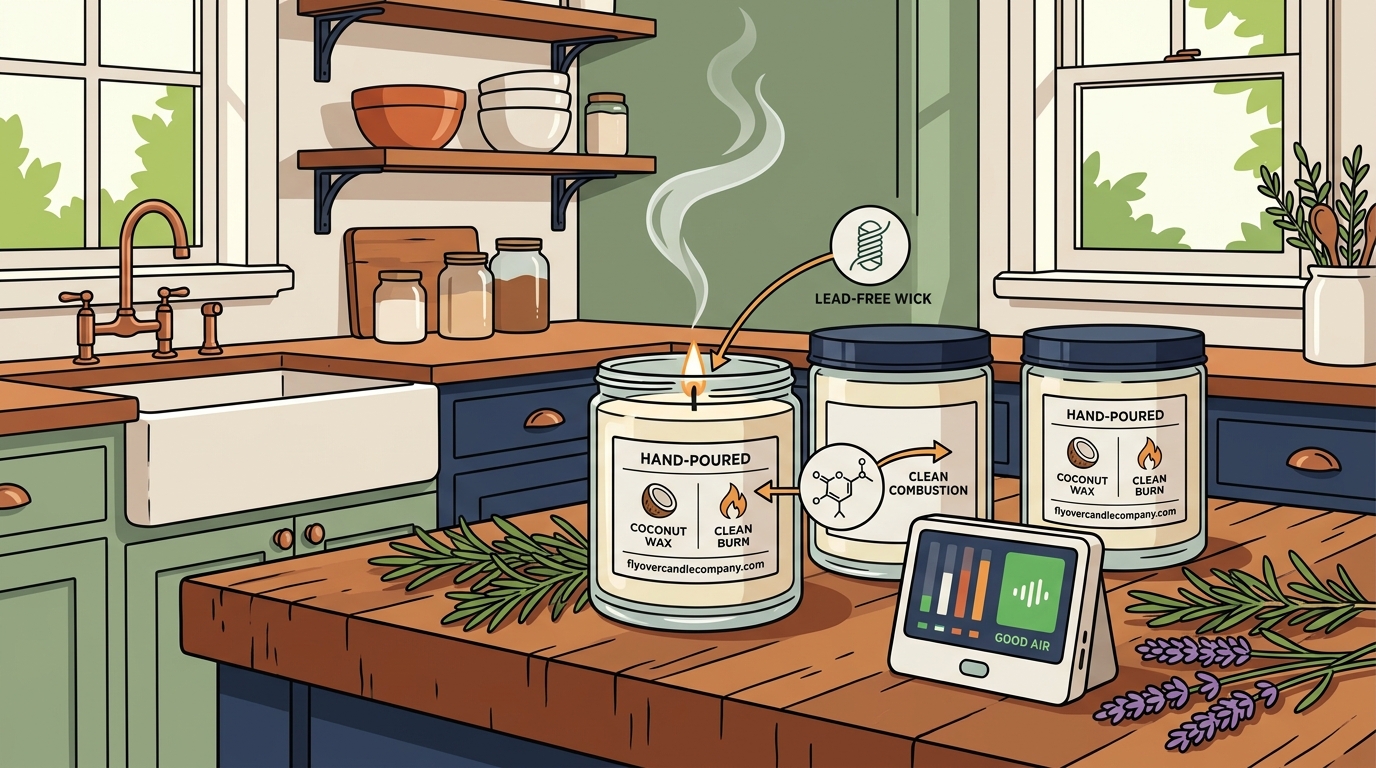
Coconut wax is a plant-based alternative derived from the oil of mature coconut fruits. This specific material offers a significantly lower melting point compared to traditional petroleum-based paraffin blends. The lower temperature reduces soot production and extends the overall burn duration. Many artisan brands now prioritize this renewable resource to meet growing consumer demand for sustainable home goods. You can explore our full inventory by visiting our main collections page to see how these materials perform across different vessel sizes. (Products ndash Flyover Candle)
Paraffin wax is a petroleum byproduct refined through industrial distillation processes. This synthetic material releases trace amounts of benzene and toluene when burned at high temperatures. Health organizations consistently recommend avoiding petroleum derivatives in enclosed cooking environments. Switching to plant-based alternatives eliminates these volatile organic compounds from your daily routine. Our signature collection features exclusively coconut-based blends that align with strict indoor air quality guidelines. (Signature Collection ndash Flyover)
Top Farmhouse Fragrance Profiles
Matching Scents to Culinary Spaces
Lemon verbena is a citrus-forward botanical extract known for its sharp, cleansing properties. This specific aroma effectively neutralizes lingering cooking odors without overwhelming delicate palates. Homeowners frequently pair this scent with open shelving and reclaimed wood accents to create a cohesive rustic theme. You can browse our seasonal releases to find fresh citrus options that complement active meal preparation zones. The summer collection currently features bright, garden-inspired notes that perform exceptionally well in sunlit kitchens. (Summer 2026 ndash Flyover)
Vanilla bean is a tropical orchid extract widely used in culinary and decorative applications. This warm, sweet profile creates an inviting atmosphere that masks minor kitchen odors effectively. Research indicates that sweet aromatics can significantly reduce perceived stress levels during daily routines. Pairing this fragrance with ceramic dishware and woven baskets enhances the overall farmhouse aesthetic. Our fire starter variety pack offers a curated selection of these comforting scents for immediate testing.
Kitchen Placement and Safety
Strategic Positioning for Maximum Effect
Proper ventilation remains the most critical factor when burning candles near active cooking stations. The National Fire Protection Association reports that unattended candles cause approximately seven percent of all home structure fires annually. Placing your flame at least three feet away from hanging curtains, paper towels, and open stove burners prevents accidental ignition. You should always position vessels on heat-resistant surfaces to protect countertops from thermal damage. Our wholesale inquiry page provides detailed safety guidelines for commercial and residential installations alike.
Managing Drafts and Airflow
Kitchen exhaust fans create constant air movement that can destabilize open flames. Strong drafts cause uneven melting patterns and shorten the overall lifespan of your wax supply. Positioning your candle near a central island or away from direct ventilation grilles ensures a consistent melt pool. You can purchase additional accessories from our cart to stabilize vessels on uneven surfaces. Maintaining a steady environment allows the fragrance to disperse evenly throughout the room.
Comparing Premium Options
| Product Name | Wax Type | Burn Time | Best Use Case |
|---|---|---|---|
| Signature Collection Standard | Coconut Blend | 45 to 50 hours | Daily ambient lighting |
| Summer 2026 Limited Release | 100% Coconut | 35 to 40 hours | Seasonal kitchen refresh |
| Fire Starter Variety Pack | Coconut Blend | 20 to 25 hours each | Testing fragrance preferences |
| Clearance Seasonal Scents | Coconut Blend | 40 to 45 hours | Budget-friendly decor |
Comparing these options reveals distinct advantages for different household sizes. Larger families benefit from the extended burn times found in our standard vessels. Smaller apartments often prefer the concentrated fragrance throw of our limited seasonal releases. You can view all available inventory by visiting our complete product catalog to find the exact match for your square footage.
Maintenance and Burn Time
Trimming Wicks for Optimal Performance
Trimming your wick before each lighting prevents excessive soot and uneven burning. The American Society for Testing and Materials recommends maintaining a quarter-inch length for consistent flame stability. Longer wicks create taller flames that melt wax too quickly and produce black smoke. You should always allow the top layer to melt completely to the edges during your first burn. This practice eliminates memory rings and maximizes your total usage hours.
Extinguishing and Storage Protocols
Dipping a wick into the melted wax and resetting it upright preserves the vessel for future use. This simple technique prevents ash from falling into the remaining fuel and keeps the opening clean. Storing unused candles in a cool, dry environment maintains their structural integrity and scent potency. You can easily reorder your favorite blends directly from our cart to ensure consistent availability. Proper storage extends the shelf life of your fragrance oils by several months.
Key Takeaways
- Coconut wax melts at a lower temperature, reducing soot production by up to fifty percent compared to paraffin.
- Indoor air quality frequently exceeds outdoor pollution levels, making non-toxic decor essential for active kitchens.
- Citrus and vanilla profiles effectively neutralize cooking odors without overwhelming sensitive palates.
- Positioning flames three feet away from ventilation grilles prevents dangerous drafts and uneven melting.
- Trimming wicks to a quarter-inch length ensures stable flames and maximizes total burn duration.
- Our signature collection features exclusively plant-based blends that align with strict safety guidelines.
- Seasonal releases offer concentrated fragrance throws ideal for smaller culinary spaces.
Frequently Asked Questions
Are coconut wax candles safe for homes with pets?
Yes, coconut wax candles are generally considered safe for households with pets when used responsibly. You should always place vessels out of reach from curious animals and never leave burning flames unattended. Proper ventilation further reduces any potential respiratory irritation for sensitive dogs or cats.
How long does a typical farmhouse kitchen candle last?
A standard twelve-ounce vessel typically provides between forty and fifty hours of continuous burn time. Factors such as room size, ceiling height, and ventilation speed directly impact the total duration. Burning your candle for no more than four hours per session preserves the wax structure.
Can I use these fragrances in open-concept living spaces?
Absolutely, lightweight botanical scents disperse efficiently throughout open floor plans without becoming overpowering. Citrus and earthy profiles work exceptionally well in transitional areas between cooking and dining zones. You can explore our summer collection to find bright options that complement modern rustic decor.
What is the difference between soy and coconut wax blends?
Coconut wax is a plant-based alternative derived from the oil of mature coconut fruits. This material offers a higher fragrance load capacity and a smoother finish compared to traditional soy blends. Soy wax often requires higher melting temperatures to release its scent effectively.
Do you offer bulk purchasing options for event planners?
Yes, we provide dedicated wholesale pricing for event planners and interior designers. You can submit a custom inquiry through our wholesale page to receive volume discounts and priority shipping. Our team ensures consistent quality across large orders for commercial installations.
How do I remove stubborn wax residue from glass containers?
Freezing the vessel for twenty minutes causes the remaining wax to contract and pop out easily. You can then wipe away any leftover adhesive with a mild soap solution. This method preserves the glass for refilling or repurposing as decorative storage.
Are your candles made with synthetic dyes?
No, our vessels utilize natural botanical extracts to achieve their vibrant colors. Synthetic dyes often release additional particulates when heated, which contradicts clean burning principles. You can browse our complete product catalog to verify our commitment to transparent ingredient sourcing.
Ready to Elevate Your Culinary Space?
Transform your farmhouse kitchen into a serene, aromatic sanctuary today. Browse our curated selections to find the perfect blend of rustic charm and clean air quality. Visit our main collections page to explore year-round staples and limited seasonal releases. Add your preferred vessel to your cart and enjoy exclusive savings on your first order. Start burning cleaner, brighter, and safer with every lighting.