
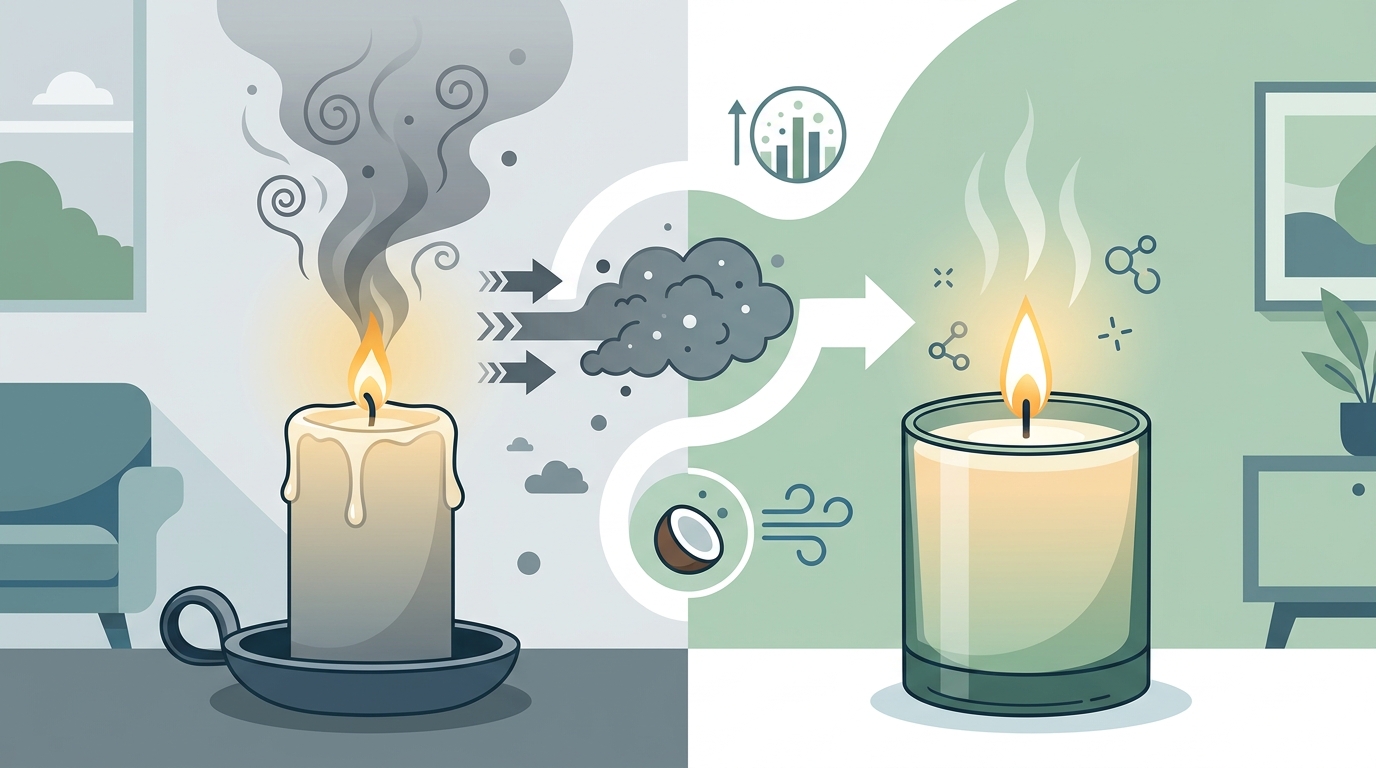
According to recent environmental reports, traditional paraffin candles release nearly forty percent more volatile organic compounds than plant-based alternatives. This data shows that switching to cleaner burning options directly reduces indoor air pollution. Homeowners increasingly prioritize sustainable living practices without sacrificing ambient warmth. Modern fragrance markets now offer multiple non-toxic substitutes that deliver comparable scent throw and burn times. Understanding these alternatives helps consumers make informed purchasing decisions that align with ecological standards.
Understanding Traditional Wax Limitations
Traditional paraffin wax derives from petroleum refining processes. This petroleum byproduct releases soot and hydrocarbons when burned indoors. The combustion process also generates trace amounts of benzene and toluene. These compounds accumulate in enclosed spaces over extended periods. Many consumers now recognize that petroleum-derived fuels contradict modern sustainability goals. Switching to botanical waxes eliminates these harmful byproducts entirely.
Paraffin candles also exhibit inconsistent burn rates. The wax pool often forms unevenly, leading to tunneling and wasted product. This inefficiency increases long-term household expenses. Eco-conscious shoppers prefer materials that maximize fragrance release while minimizing environmental impact. The shift toward botanical alternatives represents a fundamental change in home fragrance standards.
Coconut Wax: A Clean Burning Standard
Coconut wax is a plant-derived fuel extracted from pressed coconut meat. This botanical material burns significantly cleaner than petroleum-based alternatives. The molecular structure supports a slower, more consistent melt pool. Homeowners benefit from extended burn times that frequently exceed forty hours per vessel. The natural composition also holds fragrance oils exceptionally well. This property ensures a robust scent throw throughout the entire lifecycle. Brands like Flyover Candle Company utilize coconut wax to create premium, sustainable vessels. You can explore their core offerings by visiting the Signature Collection page. The material requires minimal processing, which reduces manufacturing carbon footprints. Consumers seeking reliable, eco-friendly options frequently prioritize coconut-based formulations.
Beeswax and Soy: Natural Comparisons
Beeswax is a natural honeycomb material produced by managed bee colonies. This ancient material emits negative ions when burned, which actively neutralize airborne pollutants. Soy wax is a renewable agricultural byproduct processed from refined soybean oil. Both botanical fuels burn cooler than paraffin, reducing soot deposition on walls and ceilings. The average soy candle provides approximately fifty percent longer burn duration than traditional petroleum variants. This longevity directly translates to cost savings for frequent users. Beeswax also features a naturally sweet aroma that requires minimal added fragrance. Shoppers can compare these botanical options by browsing the complete product catalog. Each material delivers distinct performance characteristics that suit different living environments.
Essential Oil Diffusers and Reed Sticks
Open-flame alternatives eliminate combustion risks entirely while maintaining aromatic benefits. Essential oil diffusers utilize ultrasonic vibration to disperse botanical extracts into the air. This method preserves the therapeutic properties of raw plant compounds. Reed diffusers rely on capillary action to draw fragrance oils upward through porous sticks. These passive systems require zero electricity and produce absolutely no heat. The continuous release mechanism provides steady ambient scent without active monitoring. Many households prefer these flameless solutions for safety and convenience. You can explore complementary home fragrance tools by visiting the Home & Accessories category. These passive systems align perfectly with minimalist, eco-conscious lifestyles.
Electric and LED Flame Simulators
Modern flameless technology replicates the visual appeal of traditional fire without combustion. LED bulbs emit warm, flickering light that mimics real candle flames. Battery-operated units eliminate wiring requirements and enable flexible placement options. These devices operate silently and generate negligible heat output. The energy consumption remains exceptionally low compared to conventional lighting fixtures. Many models feature programmable timers that automate ambient lighting schedules. Homeowners appreciate the safety benefits, particularly in households with children or pets. You can discover innovative fragrance delivery methods by checking the Car Diffuser product page. These electric solutions represent the future of sustainable home ambiance.
Product Comparison Overview
| Fuel Type | Burn Duration | Scent Throw | Environmental Impact | Best Use Case |
|---|---|---|---|---|
| Coconut Wax | 40 to 60 hours | Strong and consistent | Low carbon footprint | Daily ambient fragrance |
| Beeswax | 30 to 50 hours | Moderate to strong | Renewable and ion-generating | Air purification focus |
| Soy Wax | 50 to 70 hours | Moderate | Agricultural byproduct recycling | Cost-effective long burning |
| Essential Oil Diffuser | Continuous operation | Light to moderate | Zero combustion emissions | Therapeutic environments |
| LED Flameless | Indefinite battery life | None (visual only) | Minimal energy usage | Safety-focused spaces |
Key Takeaways
- Coconut wax delivers extended burn times averaging forty hours per vessel.
- Beeswax naturally emits negative ions that actively neutralize airborne pollutants.
- Soy wax provides agricultural recycling benefits with fifty percent longer burn durations.
- Essential oil diffusers eliminate combustion risks while preserving botanical properties.
- LED flameless units operate silently with negligible energy consumption.
- Botanical waxes hold fragrance oils more effectively than petroleum derivatives.
- Switching to plant-based fuels reduces indoor volatile organic compound exposure.
Frequently Asked Questions
Are coconut wax candles truly non-toxic?
Yes, coconut wax candles are completely non-toxic because they derive from pressed coconut meat without petroleum additives. The natural composition burns cleanly and releases minimal soot into indoor environments.
How do I maintain a reed diffuser for optimal performance?
You should flip the reed sticks weekly to refresh the capillary action and maintain consistent fragrance distribution. This simple routine ensures steady scent release without requiring active monitoring or electricity.
Do LED flameless candles actually save energy?
LED flameless candles save significant energy because they consume less than one watt per bulb during operation. Battery-powered models eliminate grid dependency while providing realistic flickering visuals.
Which botanical wax holds fragrance oils best?
Coconut wax holds fragrance oils best due to its dense molecular structure and lower melting point. This property ensures maximum scent throw throughout the entire burn cycle.
Can I safely use essential oil diffusers around pets?
You can safely use essential oil diffusers around pets when selecting pet-safe botanical extracts and maintaining proper ventilation. Ultrasonic models disperse oils gently without generating harmful heat or combustion byproducts.
What is the average lifespan of a soy candle?
The average lifespan of a soy candle ranges between fifty and seventy hours depending on vessel size and wick diameter. This extended duration directly reduces long-term household fragrance expenses.
Final Recommendations
Transitioning to eco-friendly candle alternatives requires careful consideration of burn duration, scent throw, and safety requirements. Botanical waxes like coconut and soy deliver superior performance while eliminating petroleum byproducts. Flameless diffusion methods offer zero-emission solutions for health-conscious households. Consumers should prioritize transparent ingredient sourcing and sustainable packaging standards. Visit the Summer 2026 Collection to explore premium botanical options. You can also contact the wholesale team directly through the Wholesale & Custom Inquiry portal for bulk purchasing requirements. Making informed fragrance choices supports both personal wellness and broader ecological preservation goals.