
Home fragrance is no longer just about masking odors. It is a deliberate tool for spatial design and emotional regulation. According to recent market analysis, the premium candle sector has seen a 15% year-over-year growth in scents marketed toward nostalgia and regional identity. This shift reflects a broader consumer desire to anchor their living spaces in specific, comforting memories. For those with ties to the American Midwest, this means seeking out olfactory profiles that evoke wide-open skies, crisp autumn air, and the warmth of a hearth during long winters.
Understanding Midwest Olfactory Profiles
The Midwest is defined by its dramatic seasonal shifts and agricultural heritage. Translating this geography into scent requires a nuanced approach. A successful Midwest-inspired fragrance does not rely on a single note but rather on a complex layering of earthy, woody, and fresh accords. These scents are designed to trigger specific autobiographical memories, from the smell of rain on dry prairie soil to the crispness of a morning hike in a northern forest.
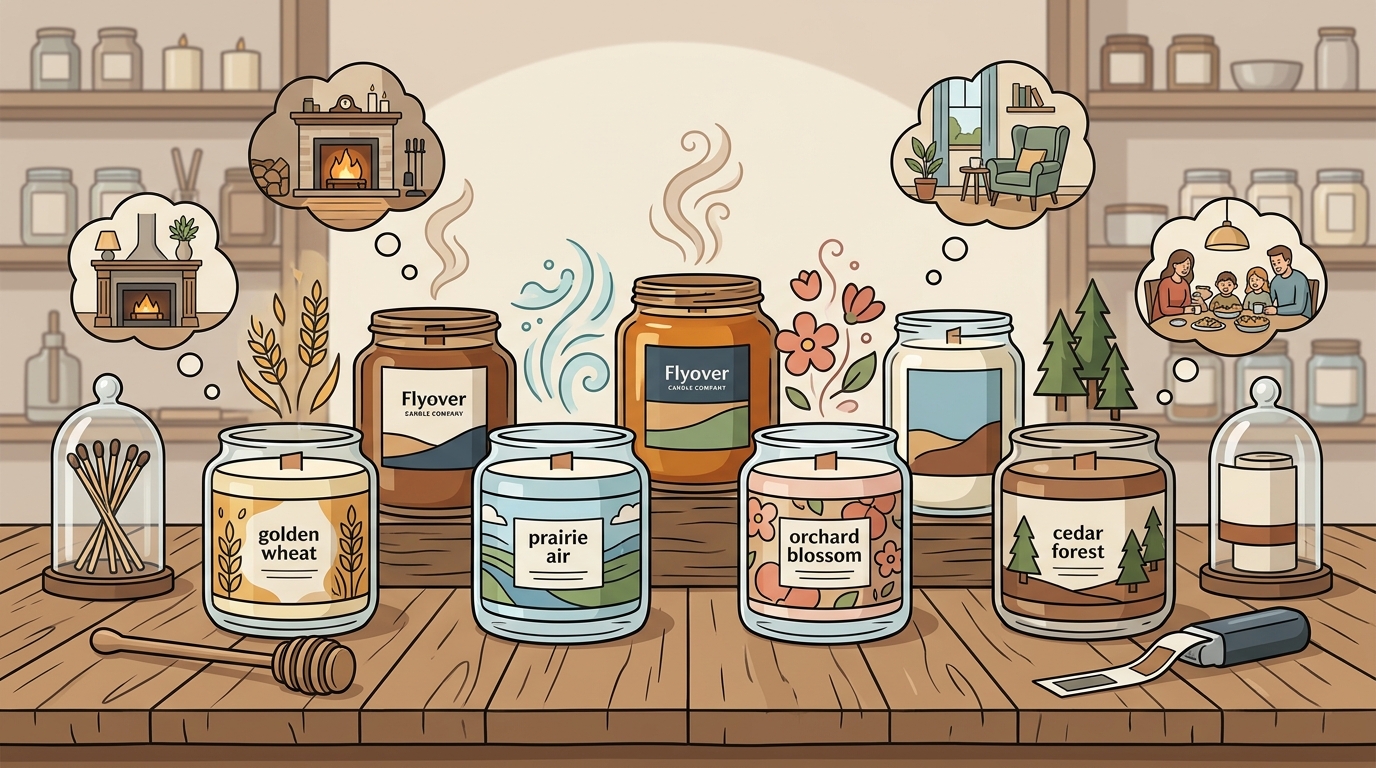
When analyzing regional scent profiles, three primary categories emerge. First, the Earthy and Agricultural profile captures the essence of harvest seasons. This includes notes of cured hay, dried corn husks, and rich loam. Second, the Forest and Conifer profile reflects the vast woodlands of Minnesota and Wisconsin. These scents are dominated by pine, cedar, and damp moss. Third, the Cozy Hearth profile represents the interior experience of winter. This involves warm vanilla, smoked wood, and spiced apple.
Understanding these categories is the first step in your selection process. You must identify which memory you wish to evoke. Do you want the freshness of a summer lake day, or the warmth of a cabin during a snowstorm? The answer to this question will dictate the wax type and fragrance oil concentration you should prioritize.
Matching Scents to Seasons
The Midwest experience is deeply tied to the calendar. A fragrance that feels perfect in July may feel cloying in January. Therefore, the selection process must account for the current season and the desired atmospheric effect. This approach ensures that your home fragrance remains relevant and enjoyable throughout the year.
Spring and Summer: Fresh and Aquatic Notes
As the snow melts and the gardens bloom, the olfactory landscape shifts dramatically. Spring and summer scents should be light, airy, and invigorating. Look for fragrances that incorporate citrus, green tea, and aquatic notes. These scents mimic the feeling of a breeze coming off Lake Michigan or the scent of wildflowers in a Kansas field. They are designed to open up a space and reduce the feeling of confinement that often accompanies indoor living during warmer months.
For example, a scent labeled "State Fair Lemonade" or similar citrus-forward profiles captures the specific nostalgia of summer festivals. These scents are often brighter and more acidic, providing a sensory contrast to the heavy, woody scents used in winter. When selecting a summer candle, prioritize transparency in the wax. A clean, clear burn allows the lighter top notes to project effectively into the room.
Autumn and Winter: Warm and Woody Accords
As temperatures drop, the focus shifts to warmth and comfort. Autumn brings the scent of falling leaves, woodsmoke, and baking spices. Winter demands the ultimate comfort of vanilla, amber, and pine. These heavier scents require a higher fragrance load to ensure they throw well in colder, denser air. A candle that performs well in summer may fail to scent a room in winter if the wax blend is not adjusted for lower burn temperatures.
When choosing a winter scent, look for complexity. A simple vanilla candle can become monotonous. Instead, seek out blends that include base notes of cedar or sandalwood. These woody anchors provide depth and longevity, ensuring the scent evolves as the candle burns. This complexity mirrors the intricate beauty of a frozen landscape, where every layer of ice tells a different story.
Evaluating Wax and Wick Performance
The physical construction of the candle is just as important as the scent itself. The wrong wax can trap fragrance oils, preventing them from releasing into the air. Conversely, the wrong wick can cause tunneling, where the candle burns down the center and leaves wax around the edges. This results in a wasted product and a diminished scent experience.
The Coconut Wax Advantage
Coconut wax has emerged as a premium choice for high-end home fragrance. Coconut wax is a sustainable, plant-based wax derived from the meat of coconuts. It offers a superior fragrance throw, meaning it releases scent more effectively than traditional paraffin or soy blends. This is particularly important for Midwest-inspired scents, which often rely on subtle earthy notes that can be easily overpowered by stronger synthetic accords.
Additionally, coconut wax burns cleaner and slower than many other natural waxes. This means you get more burn hours from each candle, providing better value over time. The smooth, creamy texture of coconut wax also allows for a more even melt pool, which is critical for preventing soot buildup on your wick. For those who value both performance and sustainability, this wax type is the optimal choice.
Wick Sizing and Burn Time
The wick must be matched to the diameter of the jar. A wick that is too small will not create a full melt pool, leading to tunneling. A wick that is too large will burn too hot, potentially cracking the glass or creating excessive smoke. Reputable brands conduct rigorous testing to ensure the wick size is optimized for the specific wax blend and fragrance load.
When evaluating a candle, check the stated burn time. A standard 10-ounce candle should offer at least 40 to 50 hours of burn time if made with quality materials. This metric is a reliable indicator of the candle's overall value and the manufacturer's commitment to performance.
Comparing Signature Versus Seasonal Collections
Most premium candle brands offer two distinct types of products: Signature scents and Seasonal releases. Understanding the difference is crucial for building a cohesive home fragrance collection. Signature scents are the backbone of a brand, available year-round. Seasonal scents are limited-time offerings that capture the fleeting beauty of a specific time of year.
| Feature | Signature Collection | Seasonal Collection |
|---|---|---|
| Availability | Year-round staple | Limited release window |
| Scent Profile | Classic, versatile, balanced | Trendy, specific, evocative |
| Best Use Case | Daily home fragrance | Special occasions or mood setting |
| Example Scents | Evergreen, Vanilla Bean | State Fair Lemonade, Pumpkin Spice |
Signature collections are ideal for establishing a baseline scent in your home. These are the candles you light every day, regardless of the season. They are designed to be inoffensive yet distinctive, providing a consistent backdrop to your daily life. For a Midwest-inspired home, a signature scent like "Evergreen" or "Prairie Grass" can serve as an annual anchor.
Seasonal collections, on the other hand, are for experimentation and emotional connection. These scents are often more complex and daring. They allow you to celebrate specific moments, such as the first snowfall or the peak of summer. Because they are limited release, they create a sense of urgency and exclusivity. If you find a seasonal scent that resonates with you, it is wise to purchase multiple jars, as they may not return.
Key Takeaways
- Regional Identity: Midwest scents rely on earthy, woody, and fresh notes to evoke specific geographic memories.
- Seasonal Matching: Use light, citrusy scents for spring and summer, and heavy, woody scents for autumn and winter.
- Wax Quality: Coconut wax offers superior fragrance throw and cleaner burn compared to traditional soy or paraffin.
- Collection Strategy: Combine year-round signature scents with limited-edition seasonal releases for a dynamic home environment.
- Burn Performance: Ensure the wick size matches the jar diameter to prevent tunneling and maximize burn time.
- Emotional Connection: Choose scents that trigger positive autobiographical memories, such as family gatherings or nature walks.
- Sustainability: Opt for brands that use natural, plant-based waxes and eco-friendly packaging to reduce environmental impact.
Frequently Asked Questions
What is the best wax for Midwest-inspired scents?
Coconut wax is widely considered the best option for complex, earthy scents. Its ability to hold and release fragrance oils at lower temperatures ensures that the subtle notes of pine, hay, and spice are preserved without being burned off by excessive heat.
How do I prevent my candle from tunneling?
Allow the candle to burn long enough on its first use to create a full melt pool across the entire surface. This typically takes 2 to 4 hours depending on the jar size. This prevents the wax from forming a hard channel down the center.
Are seasonal scents available year-round?
Generally, no. Seasonal collections are limited-time releases designed to capture the essence of a specific time of year. Once they sell out, they are typically discontinued until the following year, if they return at all.
What is the difference between a signature and a seasonal scent?
Signature scents are permanent staples designed for daily use and versatility. Seasonal scents are temporary, often more complex or trendy, and are released to coincide with specific holidays or weather patterns.
How long does a typical coconut wax candle last?
A standard 10-ounce coconut wax candle typically offers between 40 and 50 hours of burn time. This duration can vary based on the wick size and the room in which it is burned.
Can I use these candles for wholesale or gifting?
Yes. Many premium candle companies offer wholesale programs for retailers and custom inquiry options for large gifting orders. This allows businesses to curate unique scent profiles for their customers.
What makes a scent "Midwest-inspired"?
A Midwest-inspired scent typically features notes of pine, cedar, cured hay, rain, and warm hearth fires. These elements combine to create an olfactory profile that reflects the region's agricultural heritage and distinct seasonal changes.
Shop the Midwest Collection
Finding the perfect fragrance is a journey of self-discovery and spatial design. By understanding the nuances of wax performance, seasonal matching, and regional scent profiles, you can curate a home environment that truly reflects your identity. Whether you are drawn to the crisp air of a northern forest or the warmth of a summer state fair, there is a scent waiting to transport you back to your favorite memories.
Explore the full range of home fragrance products and candle accessories to find your match. Visit the Signature Collection for year-round staples, or browse the Summer 2026 collection for limited-time releases. For those looking to equip multiple spaces, check out the Home & Accessories line. If you are interested in bulk purchasing or custom scents, review the Wholesale & Custom Inquiry page for more details.
Ready to transform your space? Shop All Candles today and discover the scent that feels like home.